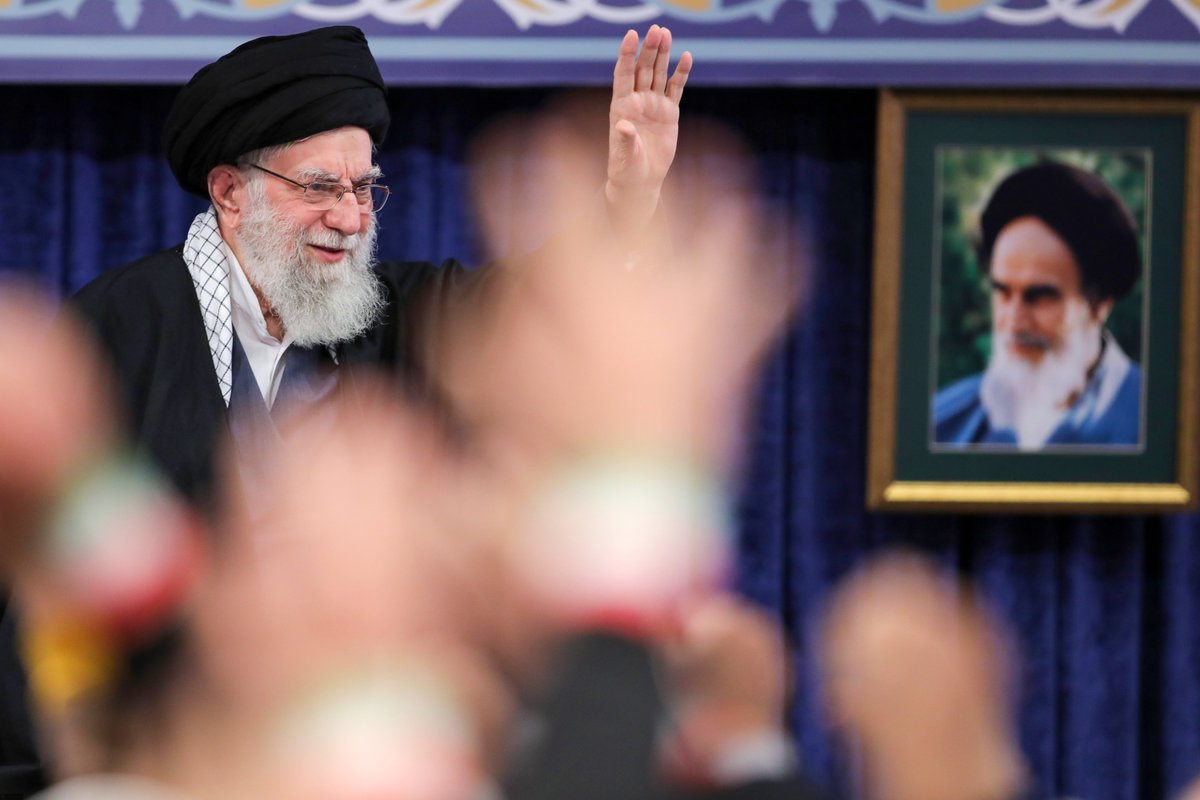
Ayatollah Ali Khamenei, Iran’s Supreme Leader and a defining figure in Middle Eastern politics for decades, has died, leaving a nation in mourning and prompting international attention on the future of Iranian governance and regional security.
Ayatollah Ali Khamenei, Iran’s Supreme Leader since 1989, passed away early today, concluding a political career that spanned over four decades. Khamenei’s leadership shaped Iran’s domestic policies, foreign relations, and strategic positioning in the Middle East, solidifying his role as one of the most influential figures in modern regional politics.
The announcement from Iran’s official state media described Khamenei’s death as a moment of national sorrow and called on citizens to honor his legacy through unity and reflection. Funeral arrangements are expected to involve high-ranking clerics, government officials, and a period of national mourning.
Immediate Domestic Response
Within hours of the announcement, Iranian citizens gathered in major cities, offering prayers, chanting slogans, and paying tribute to the late leader. State media emphasized continuity and encouraged calm, but analysts anticipate a potential struggle for influence among Iran’s political and religious elites in the short term.
Global and Regional Reactions
Governments around the world responded to the news with statements expressing condolences and urging stability in Iran. Regional powers, including neighboring countries and Middle Eastern allies, are closely monitoring the situation, assessing potential shifts in Iran’s foreign policy and security posture.
Succession and Political Implications
Khamenei’s passing raises urgent questions about succession. The Assembly of Experts, responsible for selecting Iran’s next Supreme Leader, is expected to convene rapidly. Experts suggest that a period of internal negotiation and debate among clerical elites will shape the future direction of the country, including foreign relations, domestic governance, and military policy.
Observers warn that political transitions in Iran can have profound implications for regional stability, including relations with Israel, the United States, and Gulf nations, as well as influence over proxy groups in Syria, Iraq, and Lebanon.
Legacy of Ayatollah Khamenei
During his tenure, Khamenei maintained strict control over Iran’s political and religious institutions, overseeing the country through economic sanctions, nuclear negotiations, and regional conflicts. His tenure was marked by a blend of ideological consistency, strategic pragmatism, and controversial domestic policies, leaving a deeply complex legacy.
As Iran enters this transitional period, the global community is watching closely. Khamenei’s death marks the end of an era and signals a pivotal moment for the Middle East, with potential long-term consequences for both domestic Iranian politics and international relations.