Technology

ARTIFICIAL INTELLIGENCE
•3 MIN READ
AI Startup Sybilion Raises $4.2 Million to Help Industrial Companies Navigate Volatile Markets
On March 11, AI startup Sybilion announced it had secured $4.2 million in seed funding to expand a platform designed to help industrial companies respond faster to volatile global markets.
March 15, 2026

6 MIN READ
CYBERSECURITY
Cybercrime Surge in 2026: Why Small Businesses Are Now the Primary Target
March 7, 2026

4 MIN READ
FINTECH
The Fintech Boom: Reimagining the Rand
March 7, 2026

2 MIN READ
GADGETS
Samsung’s Fold 6 Surprises with Revolutionary Battery Tech and Ultra-Slim Design
March 1, 2026

ARTIFICIAL INTELLIGENCE
•3 MIN READ
OpenAI’s ‘Orion’ Signals a Power Shift: The AI Breakthrough Forcing Governments to Rethink Control
When OpenAI revealed its new model, internally known as “Orion,” the headline claim was simple: it outperforms human experts across most standardized professional benchmarks. But the real story is not about scores. It is about power — who holds it, who regulates it, and how quickly institutions can adapt to systems that improve faster than law can respond.
February 23, 2026

DIGITAL POLICY
•3 MIN READ
Mark Zuckerberg Grilled in Court: Landmark Trial Accuses Meta of Fueling the Youth Mental Health Crisis
Under sharp questioning in a packed courtroom, Meta CEO Mark Zuckerberg faced allegations that his company’s platforms were knowingly engineered in ways that harmed young users. The case could reshape how social media companies design products for teenagers — and redefine corporate accountability in the digital age.
February 18, 2026

ARTIFICIAL INTELLIGENCE
•2 MIN READ
OpenAI launches Codex desktop app for AI-assisted coding
OpenAI has released a dedicated desktop version of its Codex tool, aiming to give software developers greater control over how artificial intelligence assists with writing, reviewing and managing code.
February 3, 2026

3 MIN READ
DIGITAL INFRASTRUCTURE
Africa’s Data Center Boom Reshapes the Continent’s Digital Economy
January 28, 2026
BIG TECH
•3 MIN READ
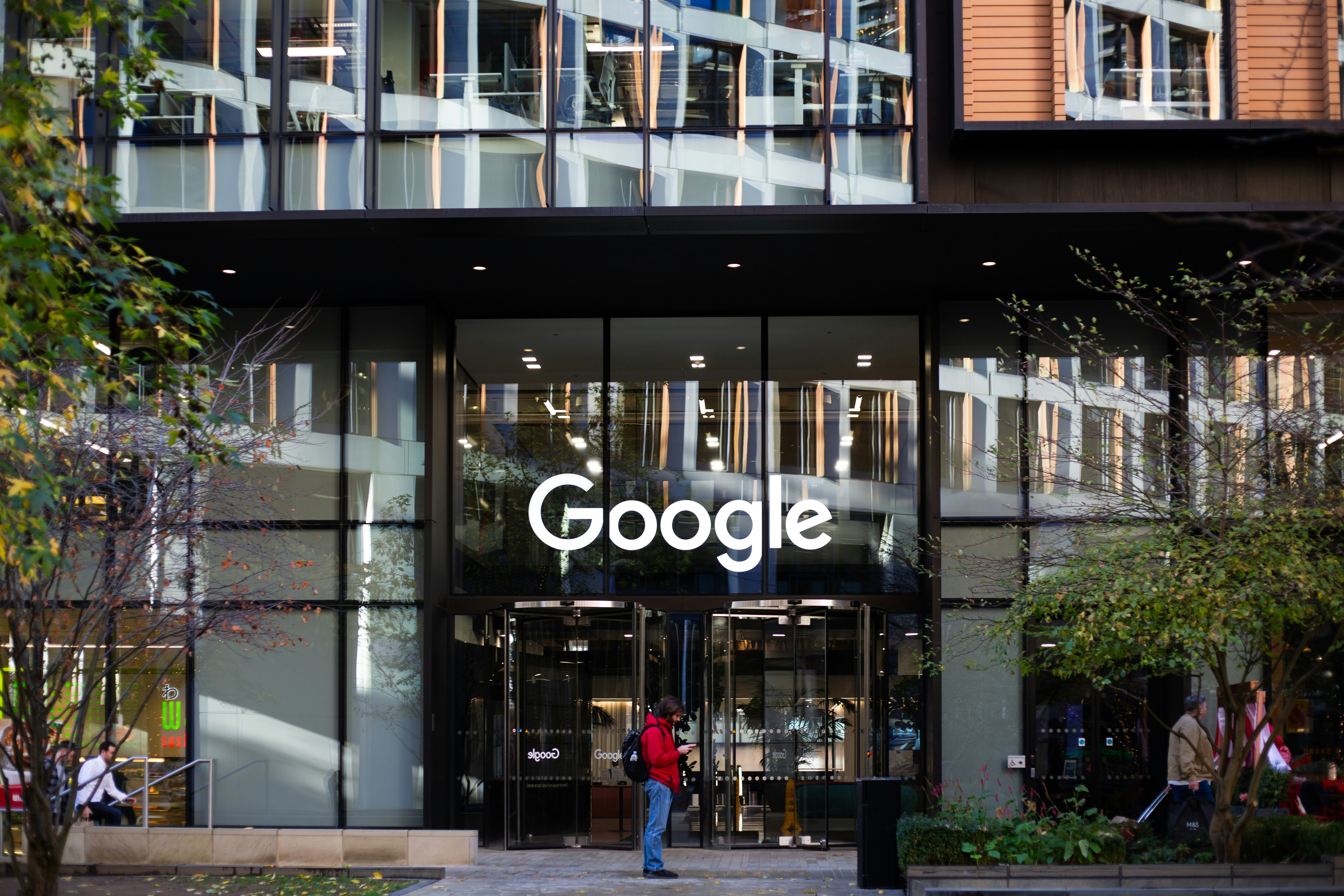
Google Enters 2026 With AI Push, Regulatory Pressure
Google is beginning 2026 at a crossroads, accelerating its push into artificial intelligence while navigating mounting regulatory pressure and shifting expectations from users, advertisers and governments.
January 24, 2026