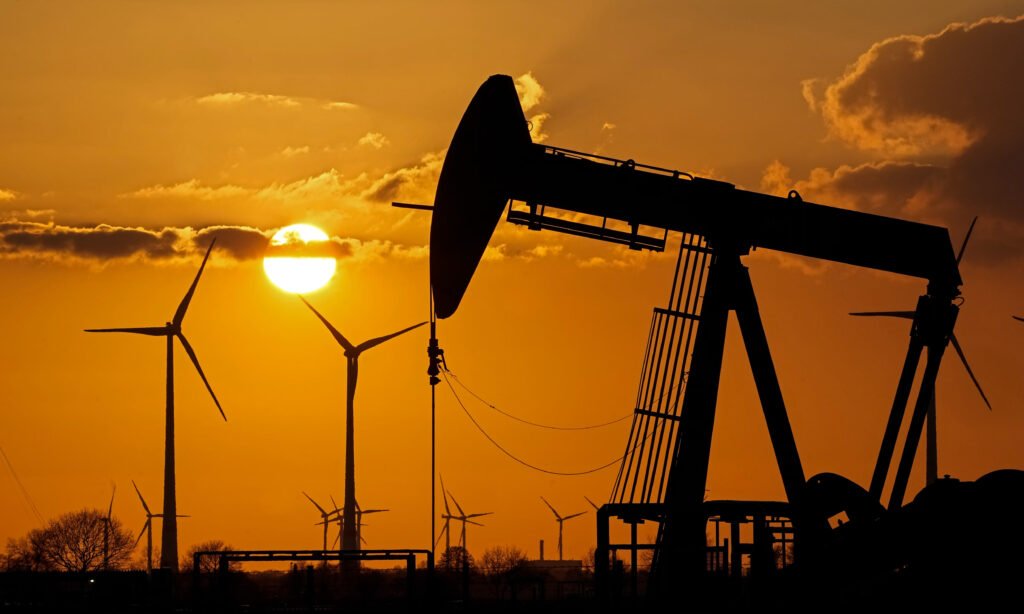
Oil markets are once again on edge as rising Middle East tensions threaten key production hubs and shipping corridors. With traders pricing in supply disruption risks, even limited attacks could trigger a global energy shock that reverberates from fuel pumps to food prices.
Global oil markets are flashing warning signals as renewed tensions in the Middle East threaten some of the world’s most critical energy corridors. Traders have responded swiftly, pushing crude benchmarks higher amid fears that even limited attacks on infrastructure or shipping lanes could squeeze supply.
A Region That Powers the World
The Middle East accounts for roughly a third of global oil production and an even greater share of proven reserves. Key transit chokepoints, including the Strait of Hormuz, handle a significant portion of the world’s seaborne crude exports. Any disruption—whether through direct strikes, blockades, or insurance pullbacks—can rapidly tighten global supply.
Markets do not wait for full-scale shutdowns. The mere risk premium attached to potential conflict is often enough to send prices climbing, as refiners and governments scramble to secure inventories.
From Oil Shock to Inflation Shock
Higher crude prices quickly filter through to consumers. Fuel becomes more expensive, transportation costs rise, and food supply chains feel renewed pressure. For countries already battling fragile growth and stubborn inflation, another energy spike could complicate monetary policy and strain household budgets.
Emerging economies that rely heavily on imported fuel are particularly vulnerable. Currency depreciation combined with rising import bills can widen deficits and increase borrowing costs.
Markets, Strategy and What Happens Next
Energy analysts warn that sustained instability could force strategic petroleum reserve releases or accelerate diversification toward renewables and alternative suppliers. However, such transitions take time. In the short term, volatility may remain elevated as investors track diplomatic signals, military movements, and shipping data.
The broader question is not only how high prices may rise, but how long they could stay elevated. A brief flare-up might cause a temporary spike. A prolonged confrontation could reshape global trade flows, reprice risk across financial markets, and deepen geopolitical divisions.
For now, the oil market sits on a knife’s edge—highly sensitive to headlines, yet deeply aware that energy remains the bloodstream of the global economy.