Economy

ENERGY
•2 MIN READ
Ramokgopa Acknowledges Electricity Costs Are 'Expensive'
Electricity and Energy Minister Kgosientsho Ramokgopa has acknowledged that electricity in South Africa has become increasingly expensive, responding to growing public frustration over rising tariffs and continued concerns about power supply stability.
March 14, 2026

3 MIN READ
ENERGY
Fuel Price Outlook Turns Catastrophic as Brent Surges Past $100 and Rand Weakens
March 14, 2026

4 MIN READ
INVESTMENT
Africa’s $3.4 Trillion Opportunity: Why Global Investors Are Turning to the Continent
March 10, 2026
4 MIN READ
NATURAL RESOURCES
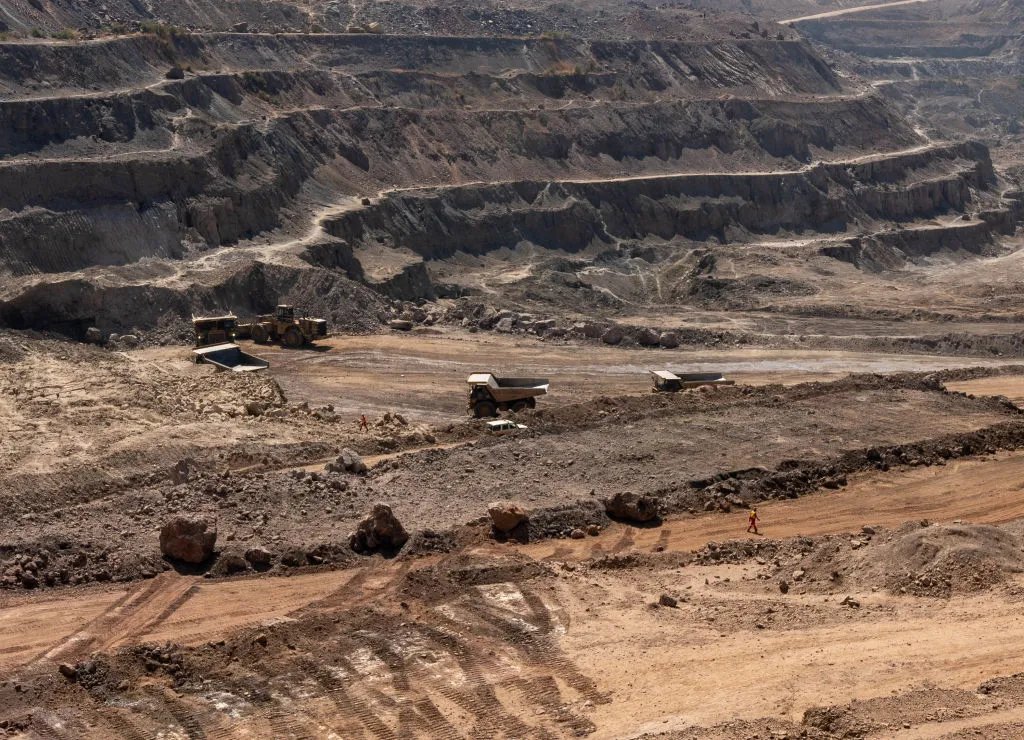
The New Scramble for African Minerals: Who Really Controls the Resources?
March 10, 2026

LABOUR & EMPLOYMENT
•4 MIN READ
South Africa Youth Unemployment Crisis in 2026: What the Latest Data Shows
Youth unemployment remains one of the most urgent socioeconomic challenges facing South Africa in 2026. Despite modest improvements in the overall labour market, millions of young people continue to struggle to enter the workforce. Recent labour statistics reveal a persistent crisis driven by economic stagnation, limited job creation, and structural barriers that prevent many young citizens from securing stable employment.
March 8, 2026

LIFESTYLE
•6 MIN READ
Digital Nomad Visa Impact: How South Africa’s Remote Work Policy Is Transforming Cape Town and Johannesburg
South Africa’s introduction of a digital nomad visa marks a major shift in how the country competes in the global remote work economy. Designed to attract highly skilled professionals who earn foreign income but live locally, the visa allows remote workers to stay in the country for extended periods while continuing employment with overseas companies. Since its introduction, cities such as Cape Town and Johannesburg have emerged as prime destinations for these location-independent professionals. The appeal is obvious: favorable exchange rates, world-class scenery, vibrant culture, and improving digital infrastructure make South Africa particularly attractive to workers earning in dollars, euros, or pounds. Yet the growing presence of digital nomads is producing complex economic and social effects. Supporters argue that these visitors inject money into local businesses, support tourism, and contribute to economic recovery after the pandemic. Critics, however, warn that the influx may worsen housing affordability, accelerate gentrification, and widen inequality in already fragile urban economies. As remote work becomes a permanent feature of the global labor market, South Africa’s digital nomad visa could reshape both the country’s economic strategy and the daily life of its largest cities.
March 7, 2026

ENERGY & CONSUMER COSTS
•2 MIN READ
Petrol Prices Rise in South Africa Today (Wednesday): What It Means for Households and Businesses
South African motorists are paying more at the pumps from Wednesday as the latest monthly fuel price adjustment takes effect. The increase, driven by higher international oil prices and exchange rate movements, adds renewed pressure to household budgets and business operating costs.
March 4, 2026

2 MIN READ
MARKETS
Inflation Fears Resurface as Oil and Gold Surge
March 2, 2026
MONETARY POLICY
•2 MIN READ
IMF Roadmap to Unlock SA’s Economic Potential as 3% Inflation Target Takes Effect
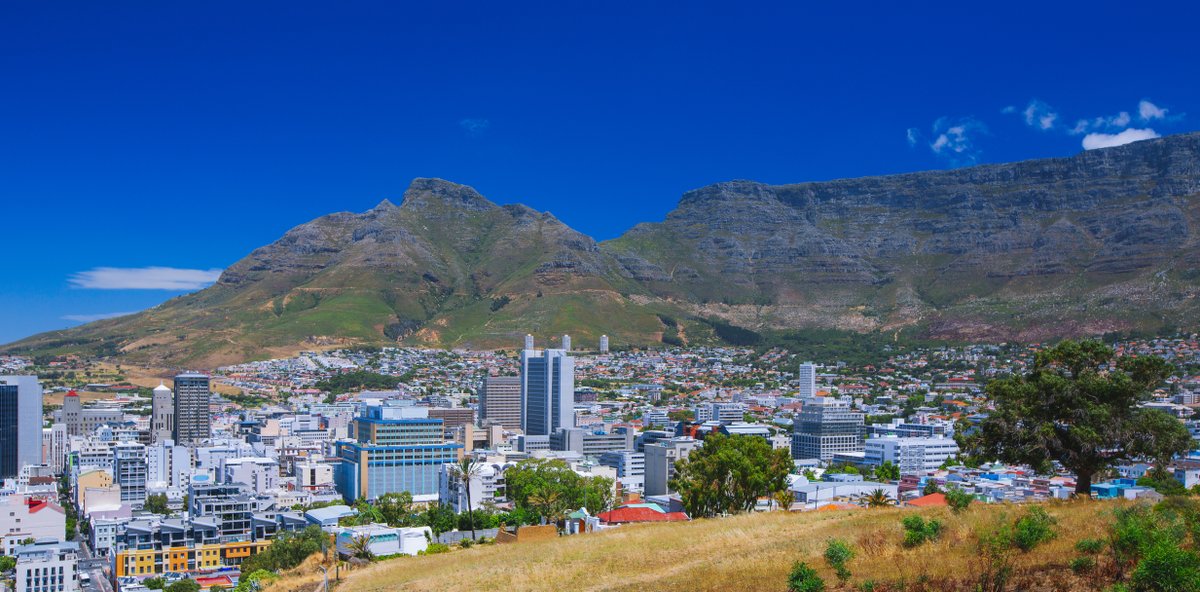
South Africa has entered a new monetary chapter as the 3% inflation target formally takes effect, tightening the country’s long-standing 3–6% range and signaling a sharper commitment to price stability.
February 20, 2026

MACROECONOMICS
•2 MIN READ
South Africa’s Inflation Falls to 3.5% — Confidence Slips After Strong Year
South Africa’s headline consumer inflation slowed to 3.5% in January 2026, comfortably within the South African Reserve Bank’s 3–6% target range and marking the softest annual reading in years. While households gain modest relief from easing price pressures, business confidence has edged lower following the country’s strongest economic year in nearly a decade.
February 19, 2026
REGIONAL DEVELOPMENT
•3 MIN READ
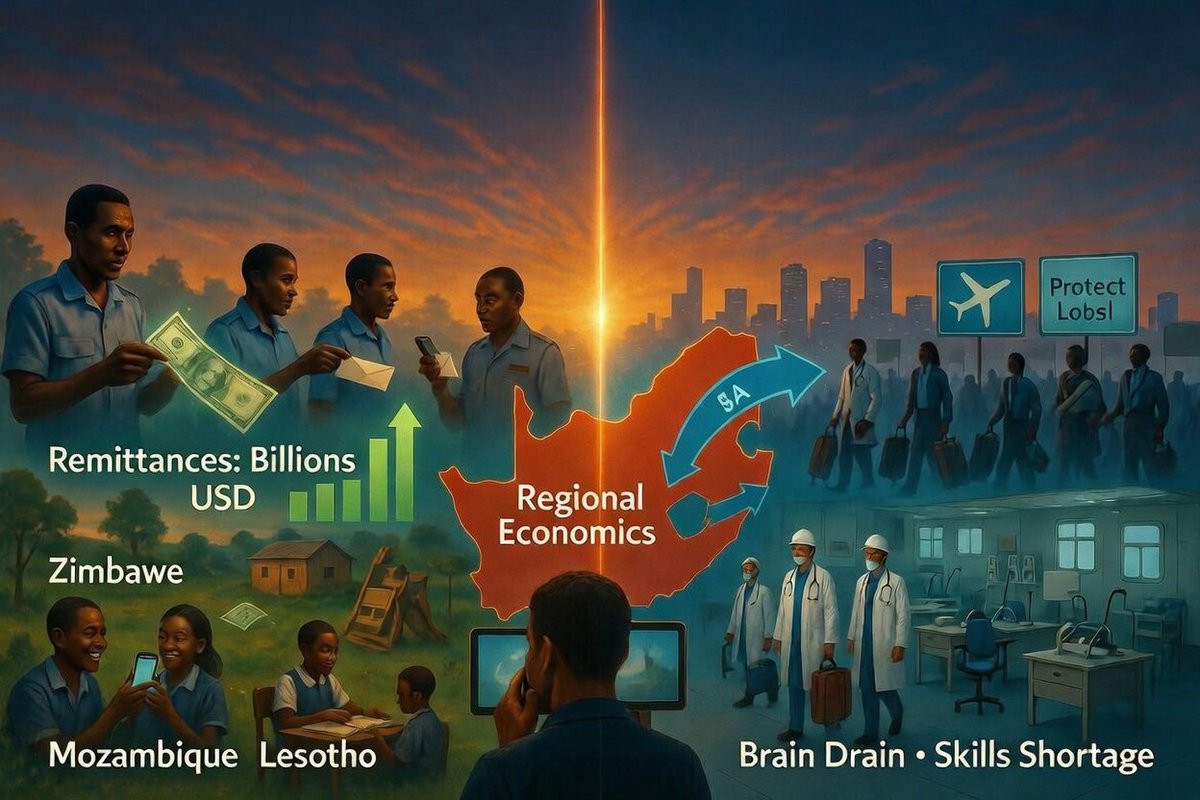
Billions Sent Home by SA Migrants: Economic Lifeline for Neighbours or Symptom of Local Brain Drain?
Every month, billions of rand leave South Africa quietly — wired across borders to families in Zimbabwe, Mozambique, Lesotho and beyond. For many households, that money means school fees paid and food on the table. For South Africa, it raises harder questions about labour markets, migration policy and the rising temperature of xenophobic politics.
February 18, 2026

LABOUR MARKET
•2 MIN READ
Unemployment Dips Slightly to 31.4% — Stats SA Reports Cautious Optimism
South Africa’s unemployment rate edged down to 31.4% in the fourth quarter of 2025, a modest 0.5% decline from the previous quarter, according to Statistics South Africa (Stats SA), suggesting a tentative recovery amid persistent economic pressures.
February 17, 2026

INFLATION
•2 MIN READ
U.S. Inflation Dips to 2.4%: Navigating the Post-Tariff Landscape and Its Effects on Everyday Americans
The U.S. reported a drop in inflation to 2.4% in the latest Consumer Price Index (CPI) data, offering a rare respite for American consumers grappling with post-pandemic economic pressures and a shifting trade environment.
February 15, 2026

INTERNATIONAL TRADE
•2 MIN READ
South Africa, China Push for Expanded Trade and Investment
South Africa has taken a significant step to deepen its economic relationship with China, as Trade, Industry and Competition Minister Parks Tau led a senior delegation to Beijing for key bilateral trade talks focused on expanding exports, investment and industrial cooperation.
February 7, 2026

PUBLIC FINANCE
•3 MIN READ
Limpopo estimates R10bn needed for flood recovery
The Limpopo provincial government has estimated that more than R10 billion will be required to repair damage caused by recent floods, after weeks of heavy rainfall left roads destroyed, communities displaced and essential services disrupted across several districts.
February 6, 2026

SOUTH AFRICAN ECONOMY
•3 MIN READ
South Africa’s Economy Enters 2026 With Fragile Recovery
South Africa enters 2026 with cautious signs of economic stabilization after years of weak growth, stubborn unemployment and infrastructure failures, but economists warn the recovery remains shallow and vulnerable.
February 6, 2026

TRADE AND DEVELOPMENT
•2 MIN READ
South Africa Becomes Class A Shareholder in Afreximbank
President Cyril Ramaphosa on Tuesday witnessed the signing of South Africa’s Instrument of Accession to the African Export–Import Bank, formally elevating the country to Class A shareholder status and strengthening its position within the continent’s leading trade finance institution.
February 4, 2026
LABOUR AND EMPLOYMENT
•2 MIN READ
South Africa Raises National Minimum Wage to R30.23
South Africa’s Department of Employment and Labour has announced an increase in the national minimum wage, lifting the hourly rate from R28.79 to R30.23 with effect from March 1, 2026, as the government seeks to cushion low-income workers against rising living costs.
February 4, 2026

TECHNOLOGY & POLICY
•3 MIN READ
India Proposes Tax Holiday Until 2047 to Attract Global Cloud Data Centres
New Delhi — India’s finance minister unveiled a sweeping tax incentive in the Union Budget 2026, proposing a tax holiday until 2047 for foreign cloud companies that operate through data centres in the country, a bid to position India as a premier global hub for digital infrastructure.
February 2, 2026

GLOBAL FINANCE
•2 MIN READ
Xi Urges Greater Global Role for Chinese Yuan
Chinese President Xi Jinping has called for the yuan to play a larger role as a global reserve currency, renewing Beijing’s long-standing push to elevate its currency in international trade, finance and central bank reserves.
February 2, 2026

MONETARY POLICY
•3 MIN READ
SARB Holds Repo Rate at 6.75% Amid Inflation and Global Risks
Johannesburg — South Africa’s Reserve Bank kept its key repurchase rate unchanged at 6.75% on Thursday, a cautious decision by the Monetary Policy Committee amid inflation pressures and global economic uncertainties.
January 30, 2026

MONETARY POLICY
•3 MIN READ
Why Zimbabwe Is Turning to Gold to Fight Inflation
After more than two decades of currency turmoil and repeated inflation shocks, Zimbabwe is once again experimenting with unconventional monetary tools — this time using gold coins and digital tokens — in an effort to restore confidence and slow rising prices.
January 29, 2026

CURRENCIES & MARKETS
•3 MIN READ
Why the South African Rand Is Gaining Ground Against the Dollar
After a long stretch marked by sharp swings and persistent weakness, the South African rand has strengthened against the US dollar, reflecting shifting global interest-rate expectations and a modest improvement in investor confidence toward emerging markets.
January 29, 2026