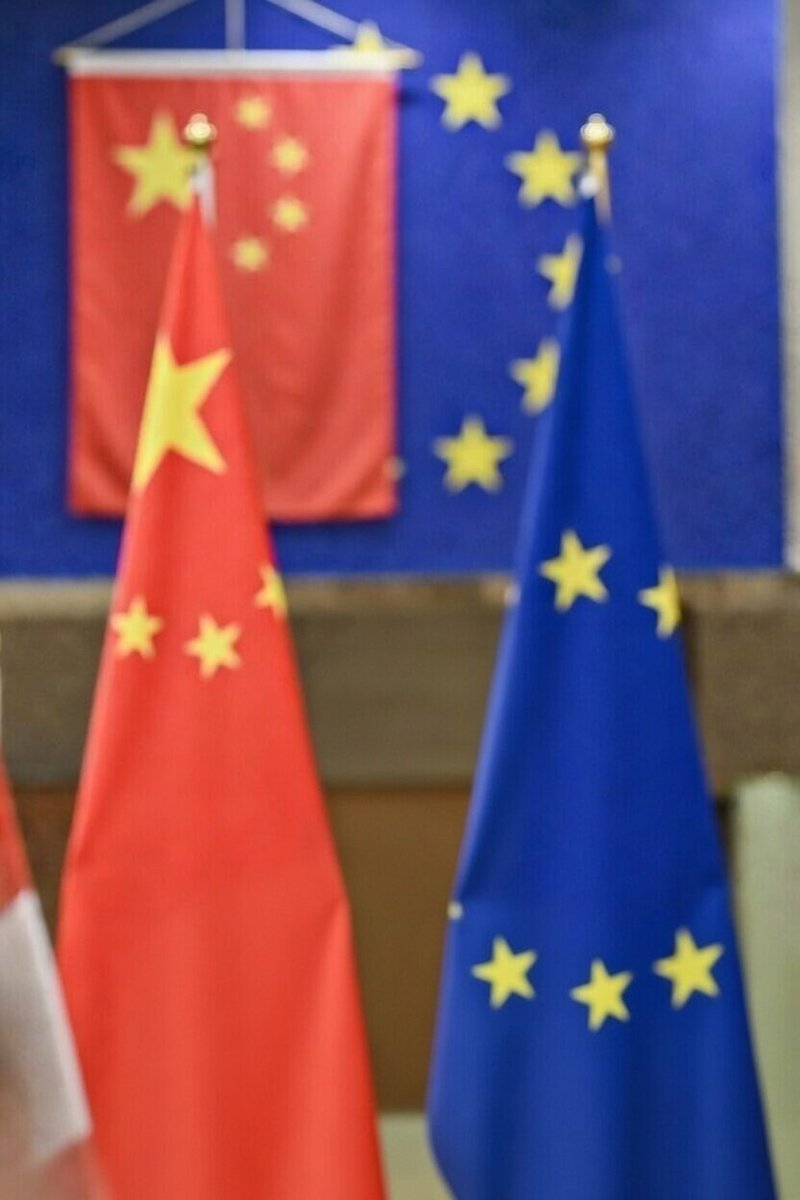
China has called for closer and more stable cooperation with the European Union, framing the relationship as essential to global economic recovery and geopolitical balance at a time of mounting international uncertainty.
Senior Chinese officials have renewed calls for stronger cooperation with the European Union, positioning the partnership as a stabilising force in an increasingly fragmented global order. The message, delivered during recent diplomatic engagements, underscored Beijing’s view that closer coordination with Brussels is vital for economic resilience and long-term geopolitical balance.
China’s leadership framed the relationship not merely as transactional, but strategic. Officials emphasised shared interests in maintaining open markets, strengthening supply chains, and expanding collaboration in emerging industries such as renewable energy and advanced manufacturing. The appeal comes as both sides navigate complex relations with other major powers and adjust to evolving security dynamics.
Trade and Economic Stability at the Core
Trade remains the backbone of China-EU relations. The European Union is one of China’s largest trading partners, while China represents a crucial market for European exporters ranging from automotive manufacturers to luxury goods producers. Chinese officials stressed the importance of preventing protectionist measures and keeping economic channels predictable.
At the same time, tensions persist. European policymakers have introduced stricter regulations around technology transfers, state subsidies, and market access. Concerns over strategic dependencies, particularly in critical minerals and technology supply chains, have sharpened the tone of recent discussions.
China and the European Union are partners, not rivals. Our cooperation outweighs competition, and our shared interests far exceed our differences.
Climate and Green Transition Opportunities
Climate policy has emerged as one of the more constructive pillars of engagement. Both China and the EU have committed to ambitious carbon reduction targets, creating space for collaboration in clean energy technology, battery innovation, and carbon markets. Analysts note that pragmatic cooperation in this sphere could help stabilise broader diplomatic ties.
- Expansion of renewable energy partnerships
- Joint research in green technologies
- Cooperation on global climate financing mechanisms
European leaders, however, continue to balance economic opportunity with strategic caution. The EU’s emphasis on de-risking rather than decoupling reflects a nuanced approach—seeking to reduce vulnerabilities without severing trade ties entirely.
A Relationship at a Crossroads
The renewed push for closer cooperation comes at a delicate moment. Global conflicts, shifting alliances, and domestic political pressures on both sides have complicated diplomatic calculations. Yet officials in Beijing appear keen to project steadiness and long-term commitment.
Whether the call translates into substantive policy shifts will depend on sustained dialogue and mutual concessions. For now, the tone suggests a recognition that despite disagreements, the economic and political weight of China-EU ties makes disengagement costly for both parties.