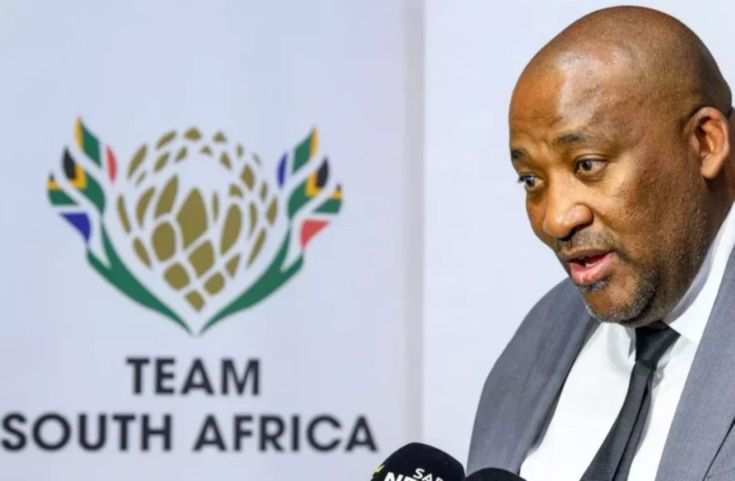
South Africa is positioning itself as a leading contender to host the 2028 Africa Cup of Nations, with Sports, Arts and Culture Minister Gayton McKenzie saying the country is ready to deliver a tournament defined by fairness, credibility and high officiating standards.
South Africa has publicly declared its intention to host the 2028 Africa Cup of Nations (AFCON), with Sports, Arts and Culture Minister Gayton McKenzie saying the country is prepared to stage a tournament built on fairness, professionalism and credible officiating.
Speaking on the sidelines of the Coca-Cola FIFA World Cup Trophy Tour in Cape Town, McKenzie said South Africa would bring "very good refereeing" and a strong culture of fair play to Africa’s premier football competition if its bid is successful.
The minister’s comments come against the backdrop of renewed debate over officiating standards in African football, following a controversial AFCON final in Morocco earlier this year. The match drew widespread attention after disputed refereeing decisions triggered protests and briefly saw players leave the field.
McKenzie acknowledged that refereeing controversies are not unique to Africa, noting that similar disputes occur in major European competitions. However, he said the continent’s flagship tournament must continue striving for consistency and integrity, particularly as African football grows in global profile.
South Africa’s proposed bid is expected to include a regional hosting model, with countries such as Lesotho, Botswana, Namibia and Zimbabwe mentioned as potential partners. A co-hosted tournament would reflect CAF’s increasing openness to shared hosting arrangements, aimed at spreading costs and expanding football development across regions.
If successful, AFCON 2028 would mark a major return of the tournament to Southern Africa. South Africa last hosted the competition in 2013 and has since maintained a reputation for strong stadium infrastructure and experience in managing large international sporting events.
Beyond football, hosting AFCON carries broader economic and social implications. Major tournaments are often linked to increased tourism, job creation and infrastructure investment, factors South African officials believe could benefit both the country and its regional partners.
CAF has not yet announced a formal timeline for selecting the 2028 AFCON host, and other African nations are expected to submit rival bids. For now, South Africa’s early declaration signals intent, as officials begin the diplomatic and technical work needed to turn ambition into a confirmed hosting right.
As the process unfolds, the success of South Africa’s bid is likely to depend on its ability to balance regional cooperation with clear guarantees on infrastructure, logistics and governance — and to convince CAF that AFCON 2028 can set a new benchmark for fairness on the continental stage.