News Afrika
News Afrika
HomePoliticsEconomyMediaBusinessTechnologyHealth

Privacy PolicyTerms of ServiceAbout UsContact UsEditorial PolicyCorrections PolicyOwnership & FundingOur TeamCookie PolicySitemap

© 2026 News Afrika • Independent African Journalism • All Rights Reserved

    HomePoliticsPublic Debate Over R22 Million Statues Sparks Broader Questions on Municipal Spending
    Politics

    Public Debate Over R22 Million Statues Sparks Broader Questions on Municipal Spending

    Durban’s new Nelson Mandela and Oliver Tambo monuments reignite discussions about priorities in city budgets amid ongoing service delivery challenges.

    By:Nathaniel A. Bapela
    March 4, 2026
    2 min read
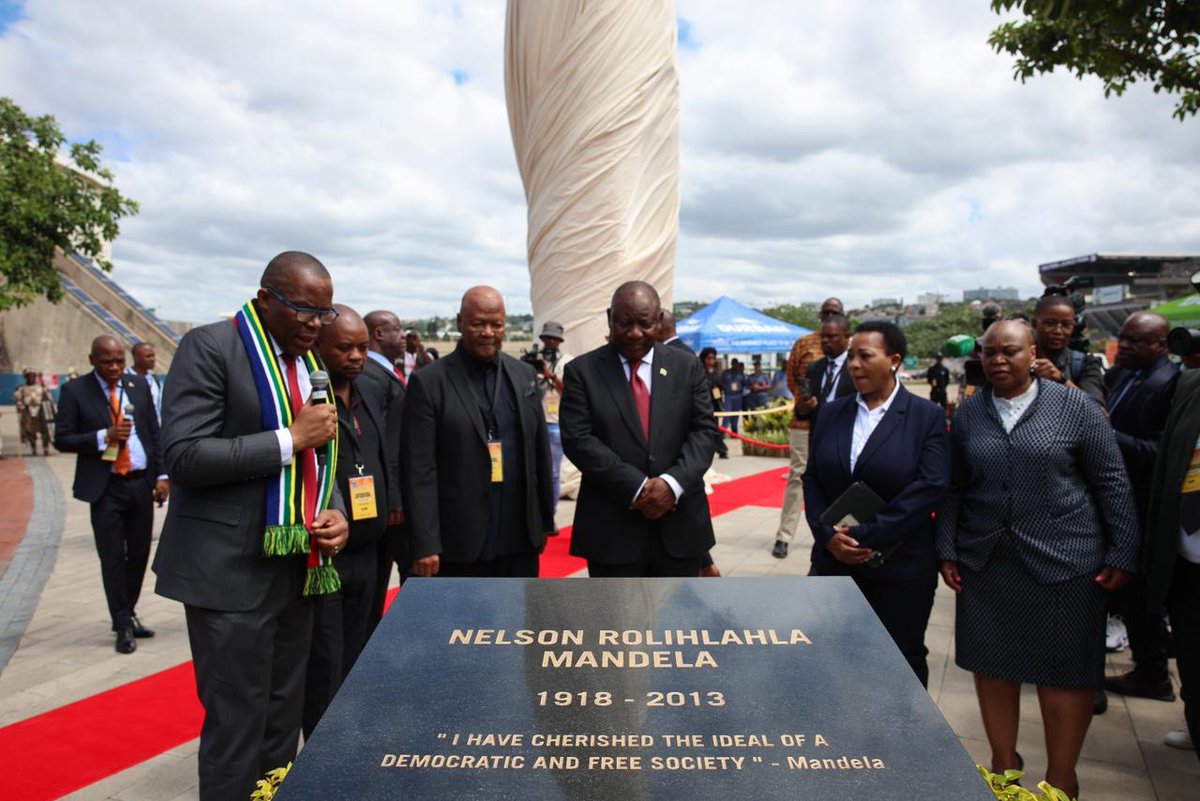
    Ramaphosa at Mandela plaque
    Memorial plaque | Photo: GCIS
    • •Durban’s eThekwini Municipality spent R22 million on two monuments for Mandela and Tambo.
    • •Public criticism centers on competing priorities such as RDP housing and service delivery.
    • •Social media reflects widespread debate over symbolic vs practical spending.
    • •Municipal officials highlight tourism and heritage promotion as justification.

    The unveiling of two R22 million bronze statues of Nelson Mandela and Oliver Tambo in Durban has sparked a wave of public debate. While city officials emphasize heritage and tourism benefits, critics argue that pressing needs like housing, infrastructure, and unemployment remain underfunded.

    Durban’s eThekwini Municipality recently unveiled two bronze statues of Nelson Mandela and Oliver Tambo, costing a combined R22 million. The monuments, standing at 10 metres tall each, were funded from the city’s tourism budget and unveiled by President Cyril Ramaphosa. Municipal officials say the statues honor liberation icons and promote heritage tourism.

    However, public reactions have been mixed. Many residents question whether such funds could have been allocated to urgent service delivery needs. Millions of South Africans still live in informal settlements, highlighting long-standing challenges in housing, water, and infrastructure.

    Balancing Symbolism and Service Delivery

    Critics argue that spending R22 million on statues contrasts sharply with ongoing service delivery backlogs. At an approximate cost of R150,000 per RDP house, the amount spent could have funded around 146 homes, providing shelter for families in need. Others note that additional investments could have addressed issues such as road maintenance, sewage management, and employment creation.

    Municipal authorities, however, defend the decision. They point out that cultural monuments serve multiple purposes, from preserving historical memory to attracting tourism revenue, which can indirectly fund municipal services over time.

    Voices from Social Media

    These comments highlight the ongoing tension between symbolic gestures and tangible public benefits. Social media platforms such as X (formerly Twitter) have amplified these discussions, turning local municipal decisions into national debates.

    Looking Ahead

    The debate around Durban’s statues underscores broader questions about municipal spending priorities in South Africa. How cities balance heritage and cultural projects with immediate social needs remains a central issue for local governance, budget transparency, and civic engagement.

    Sources

    • eThekwini Municipality – Official Budget Statements
    • Government Communication and Information System (GCIS)

    Tags

    Durban
    Nelson Mandela
    Oliver Tambo
    Municipal spending
    Public debate
    RDP housing

    Related Stories

    Historic Union Buildings complex in Pretoria, featuring symmetrical architecture with towers, domes, and gardens under bright daylight.
    DIPLOMACY
    •2 MIN READ

    South Africa Pushes Back Against U.S. on Iran Policy

    On March 16, 2026, South Africa formally rejected U.S. attempts to pressure it into distancing itself from Iran, highlighting Pretoria's commitment to sovereign foreign policy decisions despite rising global scrutiny.

    March 16, 2026
    Government building in Madagascar symbolizing political leadership and governance
    AFRICAN POLITICS
    •2 MIN READ

    Power Shifts in Africa: Madagascar Cabinet Dissolved, Guinea Bans 40 Parties

    Two major political developments in Africa have raised fresh questions about governance and democratic stability. Madagascar’s cabinet has been abruptly dissolved amid a military-linked shake-up, while authorities in Guinea have moved to dissolve around 40 political parties in a sweeping crackdown on opposition groups.

    March 16, 2026
    Legislative and presidential elections in the Democratic Republic of Congo during 2011.
    ELECTIONS
    •3 MIN READ

    Republic of Congo Presidential Vote Nears as Turnout and Reform Demands Take Center Stage

    The Republic of Congo is approaching a pivotal presidential election scheduled for March 15, with long-time leader Denis Sassou Nguesso seeking another term in office. While many analysts expect continuity, opposition figures and civil society groups say the vote represents a critical moment for democratic reform and economic accountability in the oil-rich Central African nation.

    March 15, 2026
    Madlanga Commission of Inquiry.
    GOVERNANCE
    •2 MIN READ

    Madlanga Commission Day 77: Suspended Crime Intelligence Figure Richard Shibiri Faces Tough Questions

    The Madlanga Commission of Inquiry entered its 77th day of hearings with renewed scrutiny on suspended Crime Intelligence figure Richard Shibiri, as investigators examined allegations of political interference, corruption, and possible connections between law-enforcement officials and organised crime networks.

    March 13, 2026