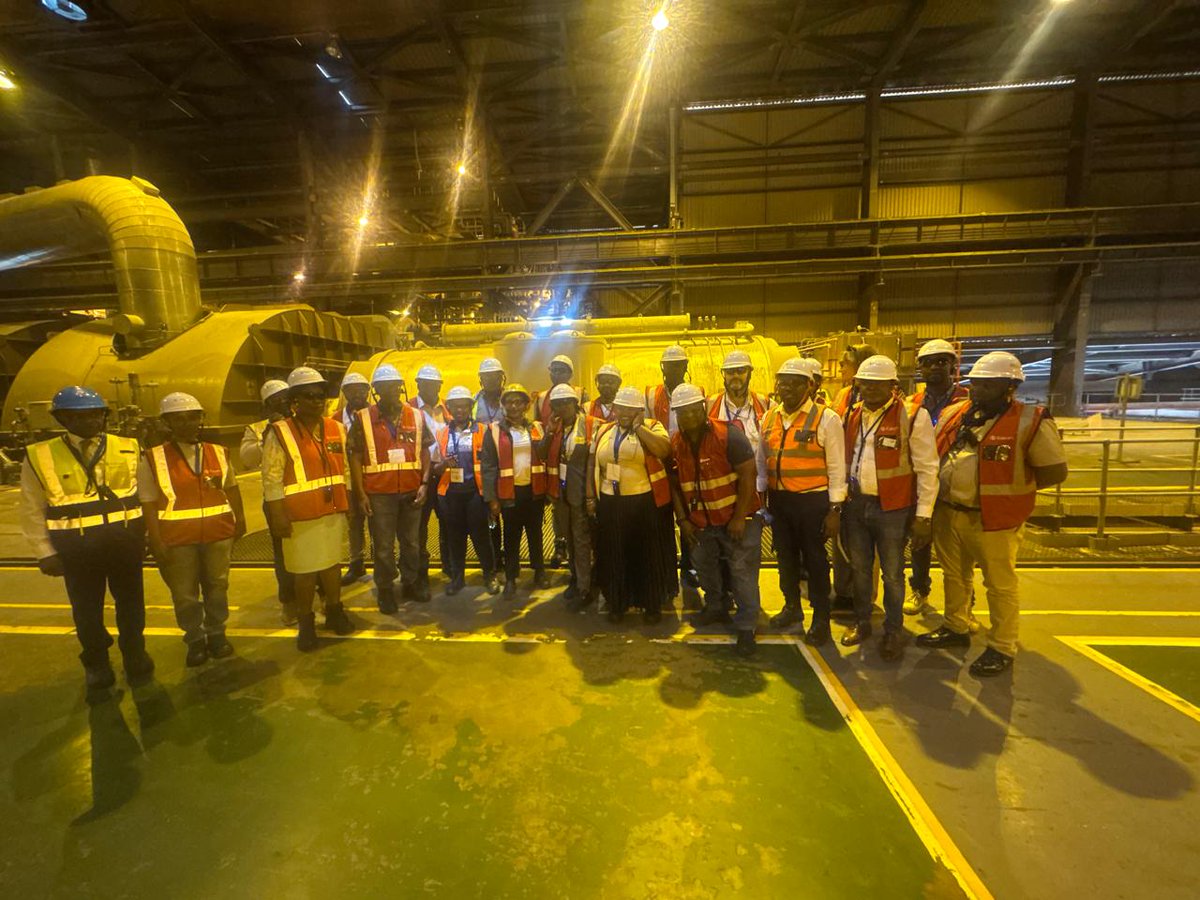
Stage 4 load shedding has returned just weeks before South Africa’s winter demand peak, renewing pressure on Eskom’s fragile generation fleet and unsettling investors who had expected renewable procurement to cushion the grid. The latest escalation underscores how narrow the country’s electricity buffer remains.
Eskom confirmed the return of Stage 4 load shedding following multiple generation unit breakdowns and constrained reserve margins. The move removes up to 4,000MW from the national grid in rotational cuts, directly impacting households, industry, and small businesses already operating under tight economic conditions.
Winter historically brings higher electricity demand as heating usage rises across the country. With coal-fired stations such as Kusile and other major plants operating under maintenance backlogs and performance variability, the system’s ability to absorb unexpected failures remains limited.
Procurement Delays Shake Renewable Confidence
The timing has amplified frustration among renewable energy developers and investors who anticipated accelerated procurement rounds to stabilize supply. Delays in awarding or finalizing new solar and wind projects have introduced uncertainty into project pipelines, affecting financing timelines and investor sentiment.
Private sector players argue that faster grid access approvals and procurement clarity could unlock additional megawatts ahead of future winter cycles. Instead, administrative slowdowns have left planned capacity additions in limbo while demand pressure intensifies.
Policy Bottlenecks Slow Transition
While operational failures at Eskom have triggered the immediate return of Stage 4 load shedding, the longer-term supply gap is increasingly linked to delays within South Africa’s energy procurement framework. The Department of Mineral Resources and Energy, responsible for advancing renewable bid windows and capacity additions, has faced criticism from industry stakeholders over the pace and predictability of procurement rounds.
Regulatory timelines have also come under scrutiny. The National Energy Regulator of South Africa plays a central role in licensing and grid integration approvals, yet developers argue that administrative lead times remain misaligned with the urgency of the country’s energy shortfall.
Together, these policy and regulatory constraints have slowed the translation of private capital into operational megawatts. Analysts warn that without tighter coordination between procurement authorities, regulators, and Eskom’s grid readiness planning, renewable capacity may continue to lag behind demand growth — prolonging dependence on an aging coal fleet.
Economic and Policy Implications
Stage 4 load shedding significantly disrupts manufacturing output, mining operations, and retail trade. Energy analysts warn that prolonged outages during winter could dampen GDP growth projections and undermine business confidence at a time when South Africa is attempting to attract new investment.
For policymakers, the crisis reinforces a dual challenge: stabilizing Eskom’s aging coal fleet while accelerating the transition toward diversified energy sources. Without measurable progress on both fronts, the cycle of emergency load shedding announcements risks becoming structurally embedded rather than temporary.
As winter approaches, the grid’s resilience will be tested daily. The central question is whether short-term operational fixes and delayed renewable additions can prevent deeper stages of load shedding — or whether South Africa is entering another season of intensified energy constraints.