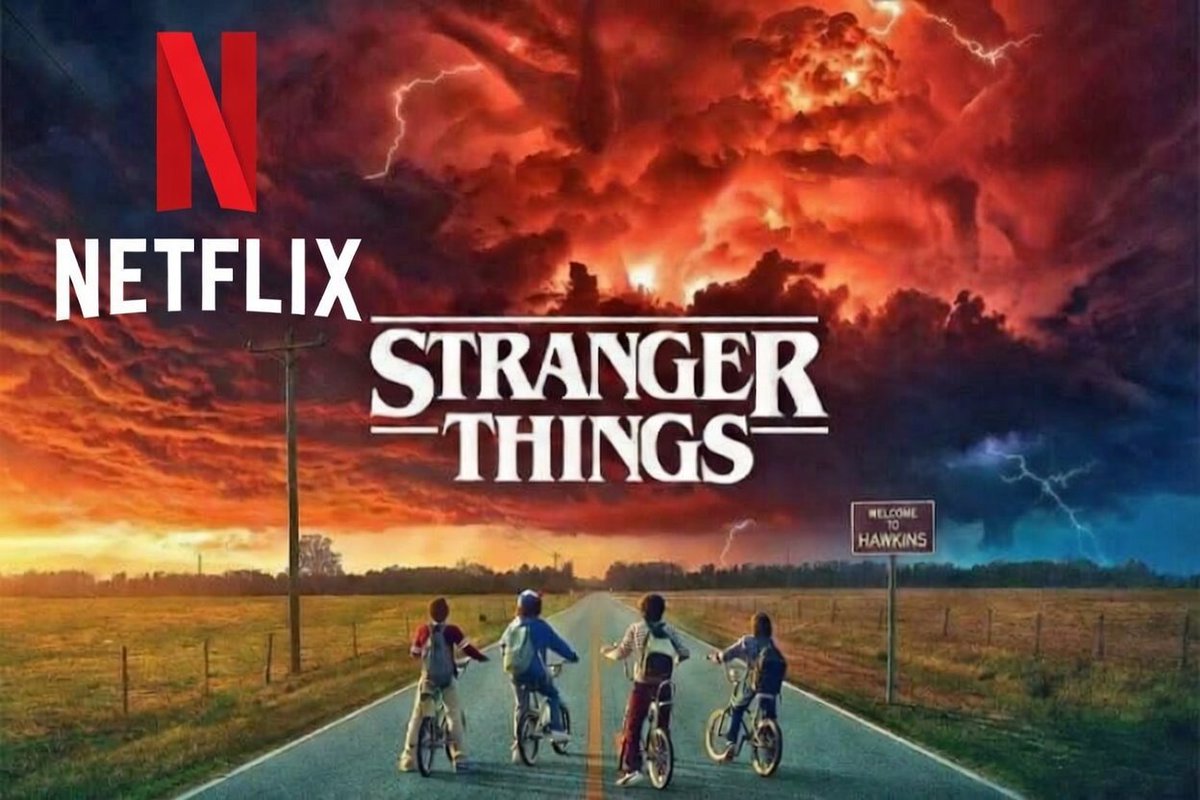
For nearly a decade, Stranger Things has symbolised Netflix’s dominance in the global streaming race. But mounting production costs, investor pressure, and a tightening content strategy suggest the series’ long-awaited fifth season may face an unprecedented recalibration — one that reflects a broader shift reshaping the entire industry.
When Stranger Things debuted in 2016, it did more than launch a sci-fi phenomenon — it helped redefine what streaming television could achieve. Lavish visual effects, cinematic storytelling, and global marketing turned the Hawkins saga into Netflix’s most recognisable franchise.
By Season 4, however, the scale had reached blockbuster territory. Industry estimates placed its budget among the most expensive in television history, driven by complex visual effects, extended episode runtimes, and escalating cast compensation as the show’s young stars matured into global names.
From Subscriber Growth to Profit Discipline
Netflix’s early strategy prioritised aggressive subscriber expansion, often justifying enormous production budgets as long-term brand investments. But the streaming landscape has changed. Subscriber growth has matured in key markets, competition has intensified, and investors now demand margin stability rather than pure scale.
In this new environment, even flagship franchises are subject to cost-benefit scrutiny. The question is no longer whether a show drives cultural impact — but whether it delivers sustainable return on investment.
The Budget Reality
Television economics have shifted dramatically since the streaming boom began. Talent salaries rise exponentially for long-running hits. Visual effects costs have surged. Global marketing campaigns rival those of major film releases. For a franchise entering its fifth season, the marginal cost of continuation can exceed the strategic value of closure.
If Netflix were to significantly scale back or even abandon its planned final season, it would not simply be an entertainment headline. It would represent the first high-profile example of a streaming giant recalibrating a prestige property at peak brand equity.
What This Signals for the Industry
Across Hollywood, studios are trimming production slates, renegotiating talent deals, and favouring limited series over multi-season commitments. The era of blank-cheque storytelling — once justified by subscriber land grabs — is giving way to disciplined capital allocation.
- Increased scrutiny of franchise longevity.
- Shift from cinematic-scale television to contained budgets.
- Preference for shorter story arcs with predictable cost ceilings.
- Greater reliance on international co-productions to distribute risk.
Brand vs Balance Sheet
Stranger Things is more than a show; it is a brand ecosystem encompassing merchandise, gaming adaptations, and global fan conventions. Any decision affecting its conclusion will require balancing narrative legacy against financial stewardship.
Whether Season 5 proceeds as originally envisioned, is restructured into a shorter format, or evolves into a feature-length finale, the outcome will reveal how aggressively Netflix is willing to enforce its new fiscal discipline.
If streaming’s first decade was defined by expansion, its second may be defined by restraint. And how Netflix handles its most iconic franchise could become the case study future media executives examine when analysing the end of the growth-at-all-costs era.