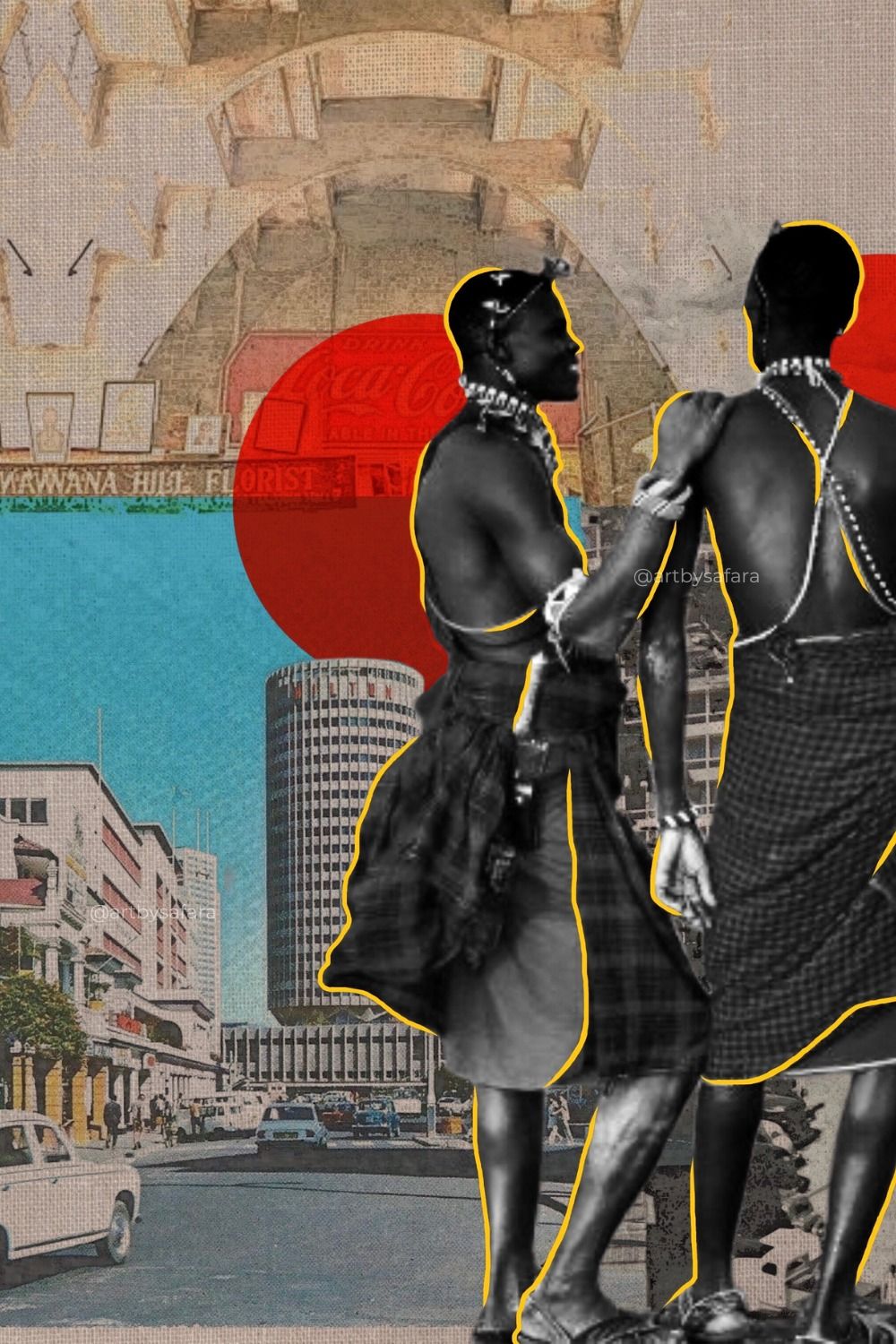
As the 2026 FIFA World Cup draws near, one truth stands out: this is more than a football tournament. It is a battle of cultures, identities, philosophies and preparation systems. Teams that arrive with borrowed or superficial approaches often exit early, while those grounded in their own identity tend to go further.
At this level and at this stage, the FIFA World Cup is far more than just 90 minutes of football. It is a profound battle of cultures, identities, philosophies and long-term preparation. Teams that arrive with copied systems or superficial approaches rarely survive beyond the group stages. Those with deep-rooted identity and solid foundations tend to go further.
As we count down to the opening match — a repeat of the 2010 final between Mexico and South Africa — the focus is shifting from anticipation to reality. Whatever was not prepared in the last four years cannot be fixed in the final days.
The Power of Cultural Identity in Football
Throughout World Cup history, teams that play with a clear cultural identity have performed better. Whether it is Brazil’s flair, Germany’s discipline, Spain’s tiki-taka, or Argentina’s fighting spirit, success has often come to nations that stay true to who they are.
Those who try to copy foreign styles without strong foundations usually fall short. As the tournament progresses and pressure mounts, only teams with genuine cultural depth tend to survive.
The Foreign Coach Debate
A striking statistic remains true after 22 editions of the World Cup since 1930: no country coached by a foreign national has ever won the tournament. This is not a coincidence. Understanding a nation’s footballing DNA, mentality, and playing style requires deep cultural insight that is difficult for outsiders to fully grasp in a short period.
Of the ten African teams at the 2026 World Cup, four — Algeria, DR Congo, Ghana, and South Africa — have non-African coaches. This will be closely watched. While foreign coaches can bring tactical knowledge, the emotional and cultural connection that local coaches provide often proves decisive under pressure.
The New 48-Team Format: Greater Uncertainty
For the first time, the World Cup features 48 teams divided into 12 groups. Eight third-placed teams will also advance, creating a ranking system similar to youth tournaments. This introduces new complexity: some teams finishing third will have to wait several days to know if they progress, while top teams may also face uncertainty about their Round of 32 opponents.
This format will test mental strength and squad depth more than ever before. Teams with better preparation and stronger home-based leagues are likely to benefit from this uncertainty.
South Africa in Group A: A Tough Test
South Africa finds itself in Group A alongside co-host Mexico, Czechia and South Korea. The opening match against Mexico on 11 June will set the tone. With an average squad age of 26.3 and relatively low combined caps compared to more experienced nations, Bafana Bafana will need to rely on organisation, fighting spirit and home support.
The expanded format gives South Africa a realistic chance of progressing from the group stage, but the quality of opposition means every point will be hard-earned.
The Importance of Preparation
Successful World Cup campaigns are built over four years, not four weeks. The best teams develop players from a young age, maintain strong youth leagues, play regular international matches, and build squad cohesion with the same coach over a full cycle.
South Africa had the rare advantage of stability with coach Hugo Broos, but questions remain about whether the full potential of that period was maximised. The performances in Group A will reveal how well those years were used.
Looking Ahead to June 2026
As the days count down to the opening match, the football world is watching. For South Africa and the other African teams, this World Cup represents more than just participation. It is an opportunity to show that African football has the depth, identity and quality to compete at the highest level.
The battle of cultures is about to begin. Only those who arrive with clear identity, proper preparation, and genuine belief will have a chance to write their names into the history books.