Phala Phala is not just the name of a farm. For many South Africans it has become shorthand for one of the most complex and politically charged scandals of the democratic era — one that has tested the country’s institutions, its president, and the limits of accountability.
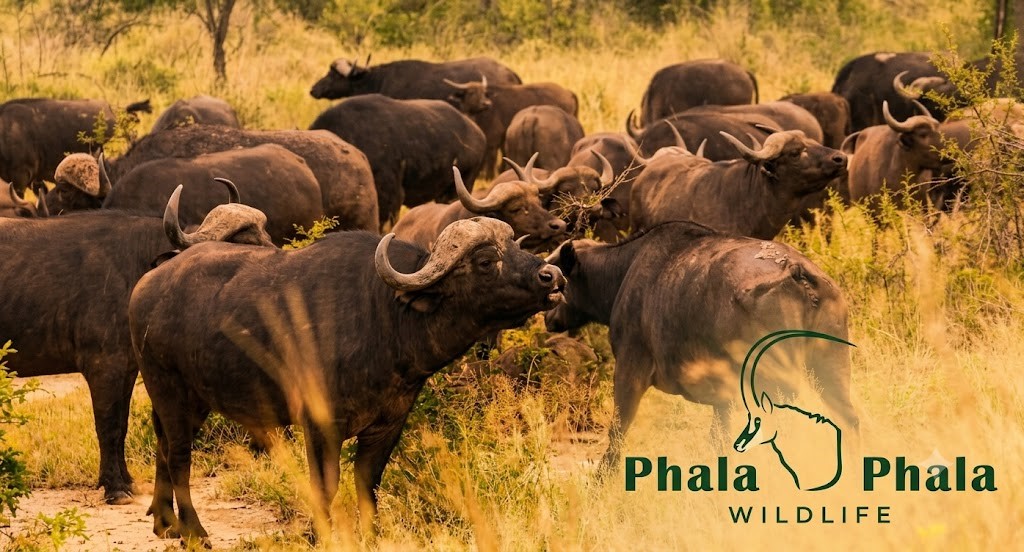
Phala Phala Wildlife Reserve is a 4,500-hectare private game farm located about 43 km west of Bela-Bela in Limpopo province. The name “Phala Phala” comes from the Tswana word for impala, reflecting its focus on rare and high-value game breeding — particularly buffalo, sable, roan antelope and other premium species.
The farm has been associated with President Cyril Ramaphosa since at least 2010. While he is not the direct registered owner, he serves as a trustee and beneficiary of the trust that controls it. The property operates as a commercial wildlife breeding and hunting operation and has been part of Ramaphosa’s business interests outside of politics.
The 2020 Burglary That Sparked a National Crisis
On or around 9 February 2020, while President Ramaphosa was attending an African Union summit in Addis Ababa, an armed robbery took place at the farm. Thieves broke into the main house and stole a large sum of foreign currency — later reported as approximately $580,000 in US dollars — that had been hidden inside furniture, including a sofa.
According to Ramaphosa’s account, the cash was legitimate proceeds from the sale of game animals (primarily buffalo) to foreign buyers. The president reported the theft to the police, but the matter remained largely private until June 2022.
How the Scandal Became Public
In June 2022, former State Security Agency director-general Arthur Fraser laid a detailed criminal complaint against Ramaphosa. Fraser accused the president of kidnapping, bribery, money laundering and concealing a crime. He provided photographs, documents and CCTV footage related to the incident.
Ramaphosa publicly confirmed the burglary for the first time, insisting there had been no wrongdoing and that the money had come from legitimate game sales. He maintained that he had followed proper procedures by reporting the theft.
Investigations and Key Reports
Multiple probes followed. The Public Protector’s office investigated and, under Acting Public Protector Kholeka Gcaleka, ultimately cleared Ramaphosa of misconduct. However, Parliament appointed an independent Section 89 panel chaired by former Chief Justice Sandile Ngcobo. In late 2022 the panel found prima facie evidence that Ramaphosa may have violated his oath of office through the handling of the foreign currency and the subsequent investigation.
In December 2022 the National Assembly voted against referring the panel’s report to an impeachment committee. The EFF and ATM challenged this decision in the Constitutional Court.
The Constitutional Court Ruling – May 2026
On 8 May 2026 the Constitutional Court delivered a landmark judgment. It ruled that the National Assembly’s 2022 decision to block the impeachment inquiry was unlawful and unconstitutional. The court set aside the vote and the relevant parliamentary rule, effectively reviving the impeachment process.
Three days later, on 11 May 2026, President Ramaphosa addressed the nation from the Union Buildings. In a firm speech he vowed he would not resign, stating that nothing in the Constitutional Court judgment compelled him to step down. He announced plans to challenge the Section 89 panel report through judicial review.
Current Status as of May 2026
The National Assembly Speaker has indicated that an impeachment committee will now be established. The criminal trial of three men accused of the actual 2020 burglary has been postponed multiple times and remains ongoing in the Modimolle Regional Court. The NPA has previously declined to prosecute Ramaphosa himself.
Phala Phala continues to operate as a commercial game farm. No evidence has emerged that the president personally runs its day-to-day operations; it is managed through a trust structure and professional wildlife operators.
Political and Constitutional Implications
The scandal has tested South Africa’s accountability mechanisms. It has been used by opposition parties to question Ramaphosa’s integrity and leadership. At the same time, supporters argue it has been politicised and that no criminal wrongdoing has been proven after years of investigation.
For ordinary South Africans, Phala Phala has become a symbol of broader frustrations — questions about undeclared foreign currency, the influence of money in politics, and whether the rules apply equally to the powerful.
Whatever the final outcome of the revived impeachment process, the Phala Phala affair has already left a lasting mark on South Africa’s young democracy and on the legacy of its president.