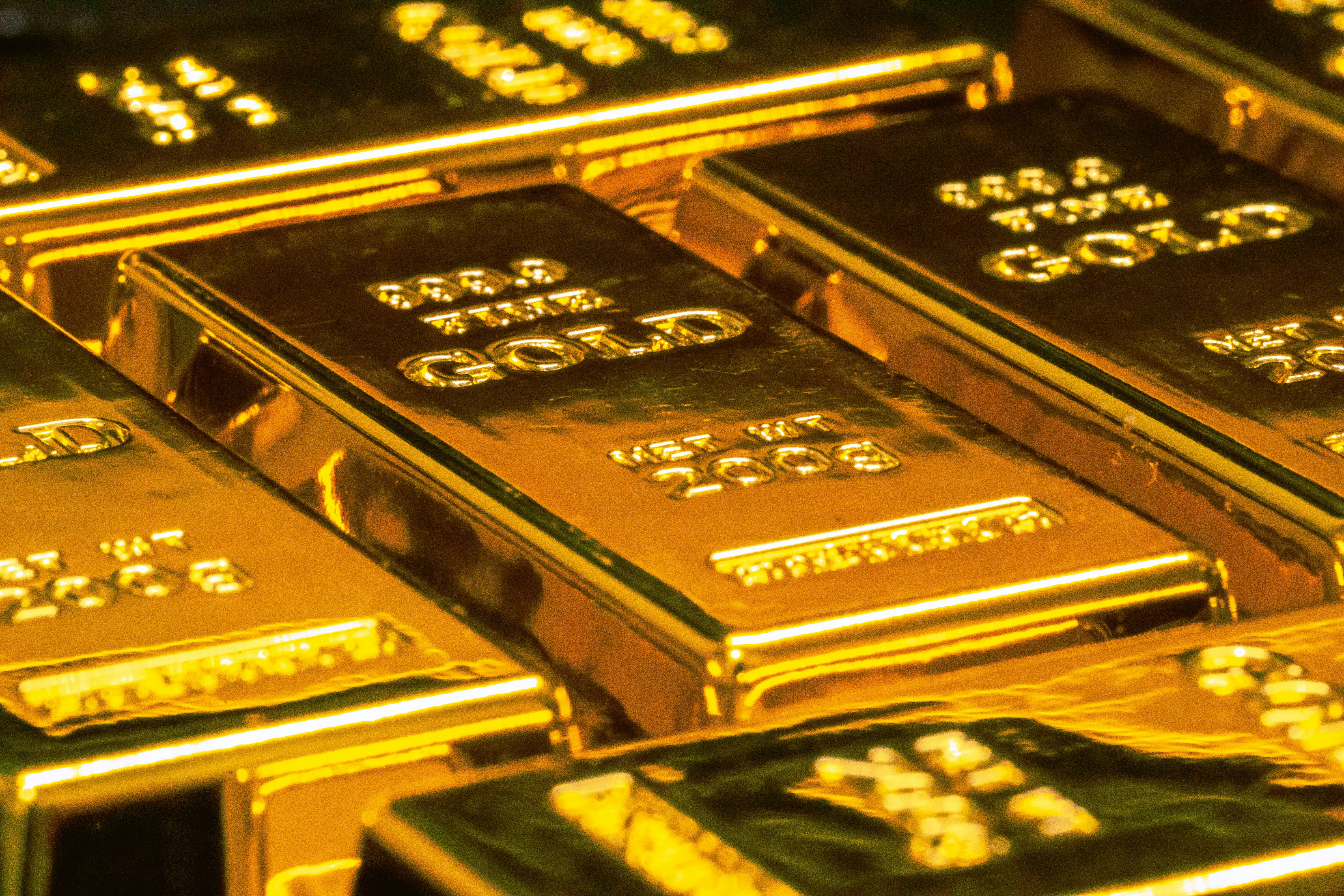
As gold prices climb to historic highs, with some global benchmarks and forecasts pushing beyond $5,000 an ounce, Africa’s major gold-producing nations are once again at the center of a global commodities story — one that carries both promise and risk.
Gold has long been a hedge in times of global uncertainty, and the latest rally reflects deep unease across financial markets. Persistent inflation, geopolitical tensions and heavy central bank buying have pushed prices to unprecedented territory. For Africa, which accounts for a significant share of global gold output, the surge raises a pivotal question: are producer nations about to strike a lasting economic jackpot?
Ghana, Africa’s largest gold producer, stands to benefit first on paper. Gold already represents the country’s single biggest export. Higher prices could strengthen foreign exchange reserves, support the cedi and ease pressure on public finances after years of debt distress. Yet economists caution that price windfalls do not automatically translate into broad-based growth.
“The revenue potential is enormous,” said Kwame Mensah, a natural resources economist based in Accra. “But the impact depends on how much gold is officially exported and how effectively the state captures royalties and taxes. Leakage through smuggling remains a major concern.”
Mali and Burkina Faso, both heavily dependent on gold exports, face a more complex picture. In recent years, military-led governments have tightened control over the mining sector, revising contracts and increasing state participation. With prices soaring, these moves could significantly boost government income — at least in the short term.
However, ongoing insecurity and strained relations with Western investors may limit production growth. Several international mining firms have delayed expansion plans, citing regulatory uncertainty and security risks. High prices alone cannot offset falling output, analysts warn.
South Africa, once the world’s dominant gold producer, presents a different case. Output has declined steadily for decades due to aging mines, rising costs and labor challenges. Even so, elevated prices improve margins for remaining operations and could slow job losses in mining-dependent communities.
“At $5,000 an ounce, previously marginal shafts suddenly become viable,” said Thabo Mokoena, a mining analyst in Johannesburg. “But this is not a return to the past. Structural issues — electricity supply, safety and depth of mines — still cap the upside.”
Beyond national budgets, the price surge has implications for local economies. Artisanal and small-scale miners, who account for a sizable share of production in West Africa, are often the first to respond to rising prices. While this can boost household incomes, it also raises environmental and regulatory challenges for governments struggling to formalize the sector.
Another risk is overreliance on a single commodity. History offers sobering lessons of boom-and-bust cycles, where windfalls were followed by sharp downturns. International financial institutions have repeatedly urged resource-rich countries to save excess revenues, invest in diversification and strengthen governance.
In the near term, soaring gold prices provide breathing room for cash-strapped treasuries and mining companies alike. Over the longer horizon, the true test will be whether governments convert this moment into lasting development rather than fleeting gain.
As markets fixate on record-breaking price charts, the stakes for Africa’s gold producers extend far beyond ounces and dollars. The current rally could mark either a turning point — or another missed opportunity — in the continent’s long relationship with its most storied metal.