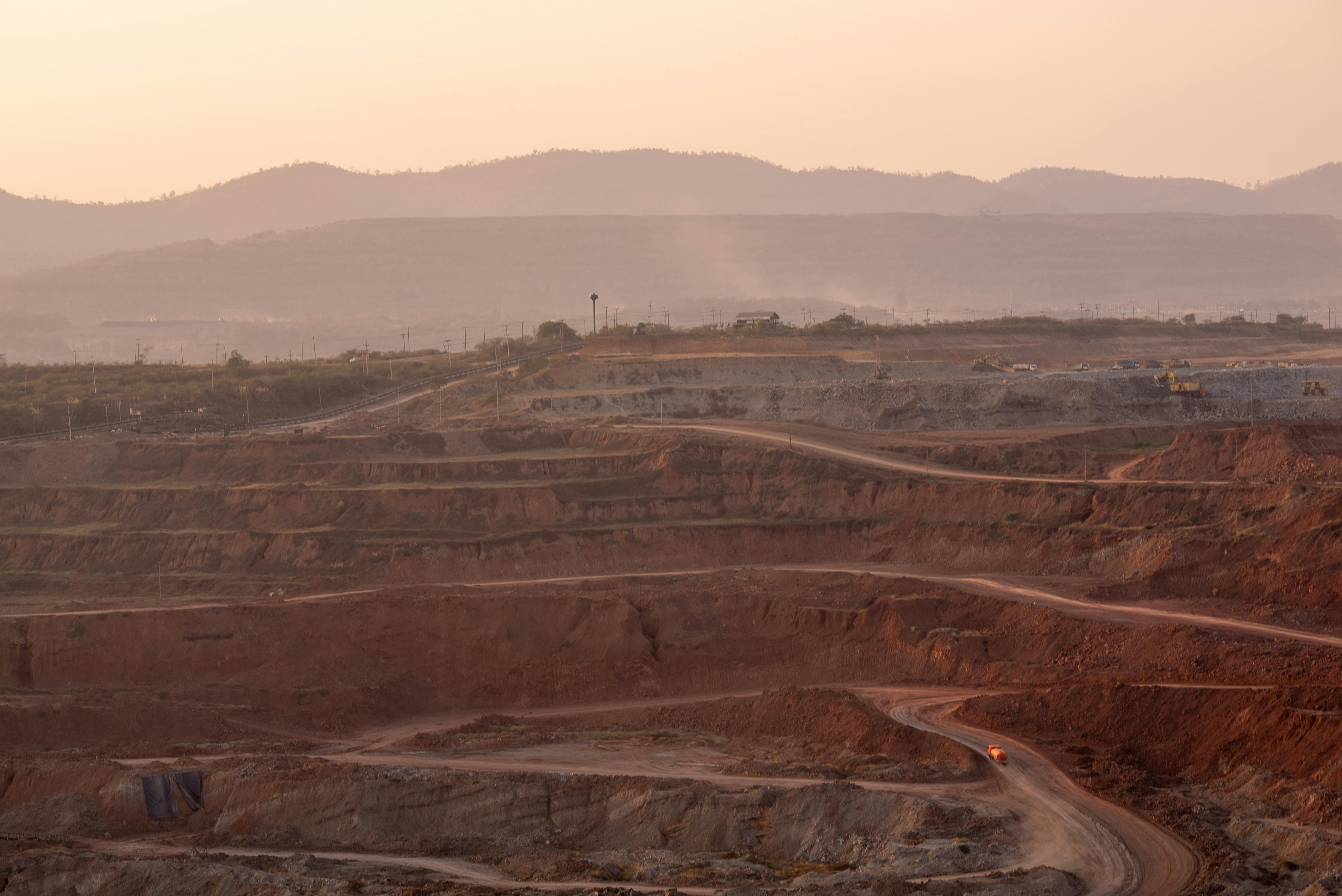
China has built a commanding position in Africa’s critical minerals sector through massive investments, resource-for-infrastructure deals and strategic partnerships. In 2026, this strategy continues to shape global supply chains as demand for lithium, cobalt, graphite and rare earths surges.
China has established itself as the dominant player in Africa’s critical minerals sector. Through a combination of direct investments, infrastructure-for-resources deals and long-term contracts, Beijing has secured access to the raw materials essential for electric vehicles, renewable energy technologies and advanced electronics.
As of 2026, Chinese companies control a significant share of Africa’s copper, cobalt, lithium, graphite and rare earth production. This is not accidental — it is the result of a deliberate, long-term strategy that integrates mining, processing, infrastructure development and political partnerships.
Key Elements of China’s Strategy
China’s approach is characterised by high risk tolerance, vertical integration and a willingness to invest in politically challenging environments. State-owned enterprises and private firms have poured billions into projects across the Democratic Republic of Congo, Zimbabwe, Mali, Mozambique, Tanzania and Botswana.
The strategy goes beyond extraction. China has built processing facilities in Africa, creating integrated supply chains that reduce dependence on foreign refiners and give Beijing greater control over the entire value chain.
Recent Developments in 2026
In April 2026, China and Mozambique signed a major agreement covering geological mapping of untapped critical minerals deposits and strengthened security cooperation. The deal targets graphite, lithium and rare-earth resources in northern Mozambique, alongside support for counter-terrorism efforts in Cabo Delgado.
China continues to expand its footprint in the Democratic Republic of Congo (copper and cobalt), Zimbabwe (lithium) and Mali (lithium), often combining mining rights with infrastructure projects such as roads, railways and power plants.
Geopolitical Context and Competition
China’s Africa minerals strategy is increasingly viewed through the lens of great-power competition. The United States and its allies are attempting to diversify supply chains through initiatives such as the Minerals Security Partnership. However, China maintains a significant head start due to its willingness to invest in high-risk areas and its integrated approach.
African governments are seeking to maximise benefits by demanding local processing, value addition and technology transfer. Many deals still result in raw material exports with limited downstream gains on the continent.
What Happens Next
China’s demand for critical minerals is expected to grow significantly as it pursues its carbon neutrality goals and expands its electric vehicle and renewable energy industries. African countries will continue to negotiate for better terms, including local refining and industrial development.
The coming years will determine whether Africa can leverage its mineral wealth for broader economic transformation or whether the current model of resource extraction will persist.
For now, China’s Africa minerals strategy remains one of the most influential forces shaping the global transition to clean energy.