South Africa’s headline consumer inflation slowed to 3.5% in January 2026, comfortably within the South African Reserve Bank’s 3–6% target range and marking the softest annual reading in years. While households gain modest relief from easing price pressures, business confidence has edged lower following the country’s strongest economic year in nearly a decade.
The latest inflation print signals a significant shift in South Africa’s macroeconomic cycle. After two years of elevated price pressures and aggressive monetary tightening, consumer inflation is now firmly contained within the target band set by the South African Reserve Bank (SARB). The 3.5% reading came in below many analyst forecasts, reinforcing expectations that the disinflation trend is gaining traction.
The moderation was driven largely by easing food inflation, more stable fuel prices, and softer core goods inflation. Base effects also played a role, as current prices are being compared to higher levels recorded a year earlier. However, lower inflation does not mean prices are falling — only that they are rising more slowly.
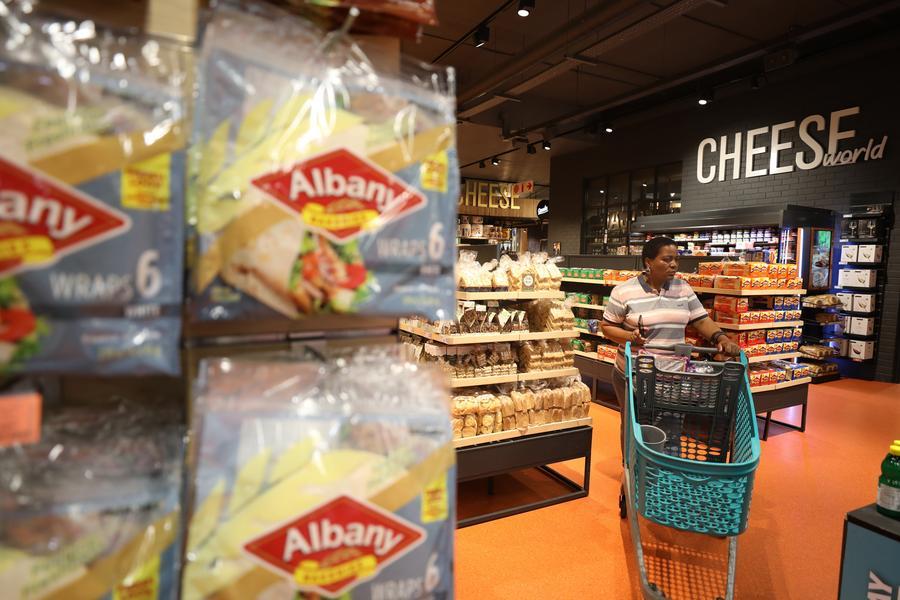
For consumers, this distinction matters. Grocery bills in major urban centres have stabilised, but cumulative price increases over the past two years continue to strain disposable income. Debt servicing costs remain elevated after a prolonged rate-hiking cycle, limiting immediate financial relief despite the softer inflation environment.
Attention now turns to monetary policy. With inflation trending closer to the midpoint of the 3–6% target range, markets are increasingly pricing in the possibility of rate cuts later in 2026.
Yet policymakers are expected to remain cautious. Global oil price movements, exchange rate fluctuations, wage settlements, and the stickiness of core inflation will all influence the timing of any policy shift.
Interestingly, the improved inflation outlook coincides with a slight dip in business confidence. After benefiting from improved electricity supply stability and stronger sectoral performance last year, firms are reassessing forward prospects.
This divergence highlights the transitional nature of the current economic moment. Inflation is easing, but growth momentum is beginning to normalise after a strong rebound year.
Looking ahead, the sustainability of South Africa’s economic momentum will depend on whether inflation remains anchored while confidence and investment regain traction.
South Africa enters 2026 at a macroeconomic crossroads: inflation under control, monetary policy cautiously poised, and business confidence adjusting.