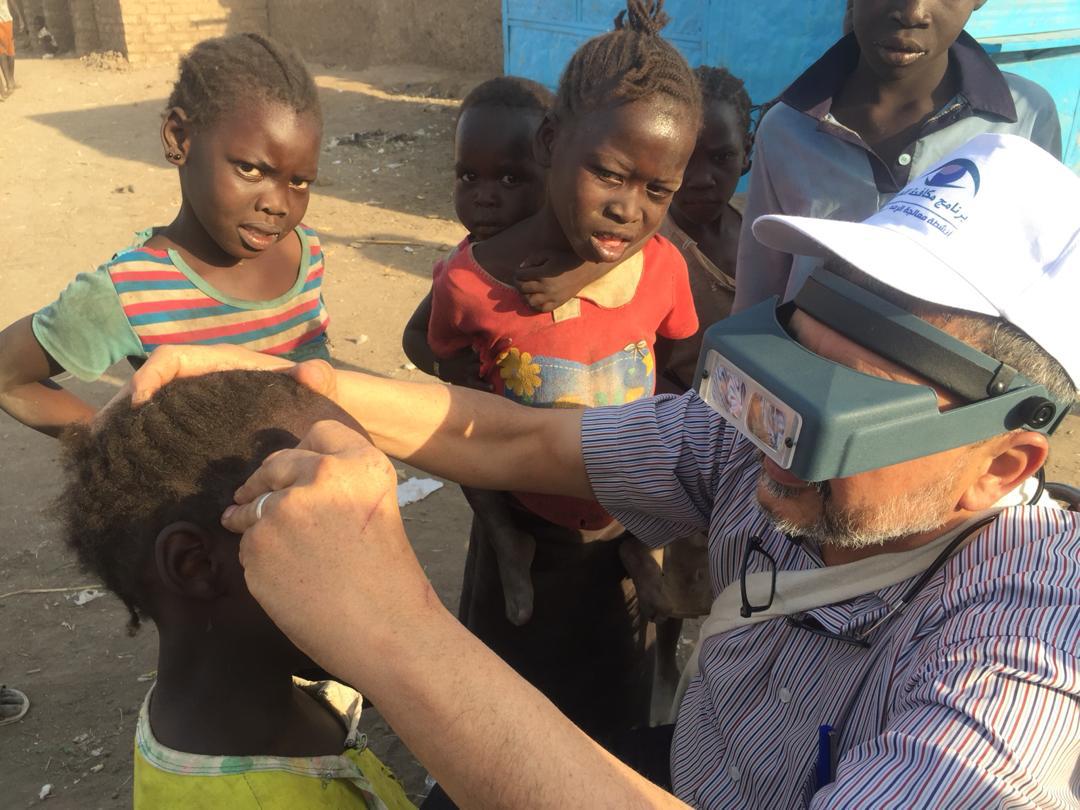
Libya has officially become the 28th country in the world to eliminate trachoma as a public-health problem, marking a significant milestone in Africa’s long-running fight against preventable blindness.
The announcement was confirmed by the World Health Organization (WHO), which validated that Libya had met the required epidemiological thresholds to declare trachoma no longer a public-health threat. The achievement follows years of coordinated screening campaigns, antibiotic treatment drives, and community-level sanitation programs aimed at halting transmission.
Trachoma, caused by repeated infection with the bacterium Chlamydia trachomatis, is the world’s leading infectious cause of blindness. It spreads in conditions where access to clean water and proper sanitation is limited, disproportionately affecting children and rural communities. If untreated, repeated infections can lead to irreversible eyelid damage and blindness.
Libya’s elimination status signals not only medical progress but also institutional resilience. Health workers conducted mass drug administration campaigns, distributed antibiotics, improved facial cleanliness initiatives among children, and strengthened environmental sanitation — core pillars of the WHO-endorsed SAFE strategy (Surgery, Antibiotics, Facial cleanliness, Environmental improvement).
WHO officials described the milestone as proof that even countries facing economic and political strain can rebuild essential health systems and deliver measurable outcomes. Community health workers played a central role, often traveling to remote areas to screen children and monitor infection rates.
Africa remains the region most affected by trachoma globally, but progress has accelerated in recent years. Libya now joins a growing list of nations that have met elimination targets, reinforcing continental momentum toward reducing neglected tropical diseases.
Public-health experts caution that elimination does not mean eradication. Continued surveillance will be necessary to prevent re-emergence, especially in border regions and vulnerable communities. Sustained funding, water infrastructure improvements, and cross-border cooperation will remain critical.
Libya’s success story highlights a broader shift in global health strategy — one that prioritizes integrated community care, long-term monitoring, and preventative infrastructure rather than reactive treatment alone.
As WHO continues to support elimination campaigns worldwide, Libya’s milestone stands as a reminder that coordinated action, local engagement, and persistence can transform once-endemic diseases into manageable public-health history.