Yesterday President Donald Trump signed an executive order demanding citizenship verification for mail-in ballots and tighter Postal Service rules. Today he became the first sitting president to sit through Supreme Court arguments on his own birthright-citizenship order. And in between, a federal judge ordered work stopped on his lavish new White House ballroom unless Congress gives the green light. From election security to immigration fundamentals to reshaping the seat of power itself, Trump is forcing every front at once — and the pushback is already fierce.
It has been a whirlwind 48 hours in Washington. On Tuesday 31 March President Trump put pen to paper on an executive order titled “Ensuring Citizenship Verification and Integrity in Federal Elections.” The directive instructs the Department of Homeland Security and Social Security Administration to compile state-by-state lists of confirmed U.S. citizens using federal databases. Those lists will be sent to every state’s election officials. More controversially, the order directs the United States Postal Service to begin rulemaking that would restrict the mailing of absentee and mail-in ballots to only those on approved state participation lists — and to require special barcoded “Official Election Mail” envelopes for tracking.
Trump framed the move as long-overdue protection against fraud. “We want voter ID, we want proof of citizenship,” he told reporters after the signing. Critics immediately called it an attack on mail-in voting itself, arguing the databases — including the error-prone SAVE system — have already wrongly flagged thousands of naturalised citizens. Voting-rights groups and several Democratic-led states have already signalled they will head straight to court.
From the Desk to the Courtroom
Less than 24 hours later, on Wednesday 1 April, Trump made history again. He walked into the Supreme Court chamber to watch oral arguments in Trump v. Barbara — the case testing the legality of his January 2025 executive order that seeks to end automatic birthright citizenship for children born in the U.S. to parents who are undocumented or on temporary visas.
No sitting president has ever attended Supreme Court arguments before. Trump sat quietly through the morning session as Solicitor General John Sauer faced tough questions from both liberal and conservative justices. Justice Ketanji Brown Jackson pressed the administration on whether officials planned to “interrogate pregnant women in delivery rooms.” Chief Justice John Roberts reminded lawyers that “it’s a new world but it’s the same Constitution.”
The birthright order itself has been frozen by lower courts since last year. Challengers argue it directly contradicts the 14th Amendment and the 1898 Supreme Court precedent in United States v. Wong Kim Ark. The administration insists the clause “subject to the jurisdiction thereof” was never meant to cover children of non-citizens. A final ruling is expected by early summer.
Ballroom Drama at 1600 Pennsylvania Avenue
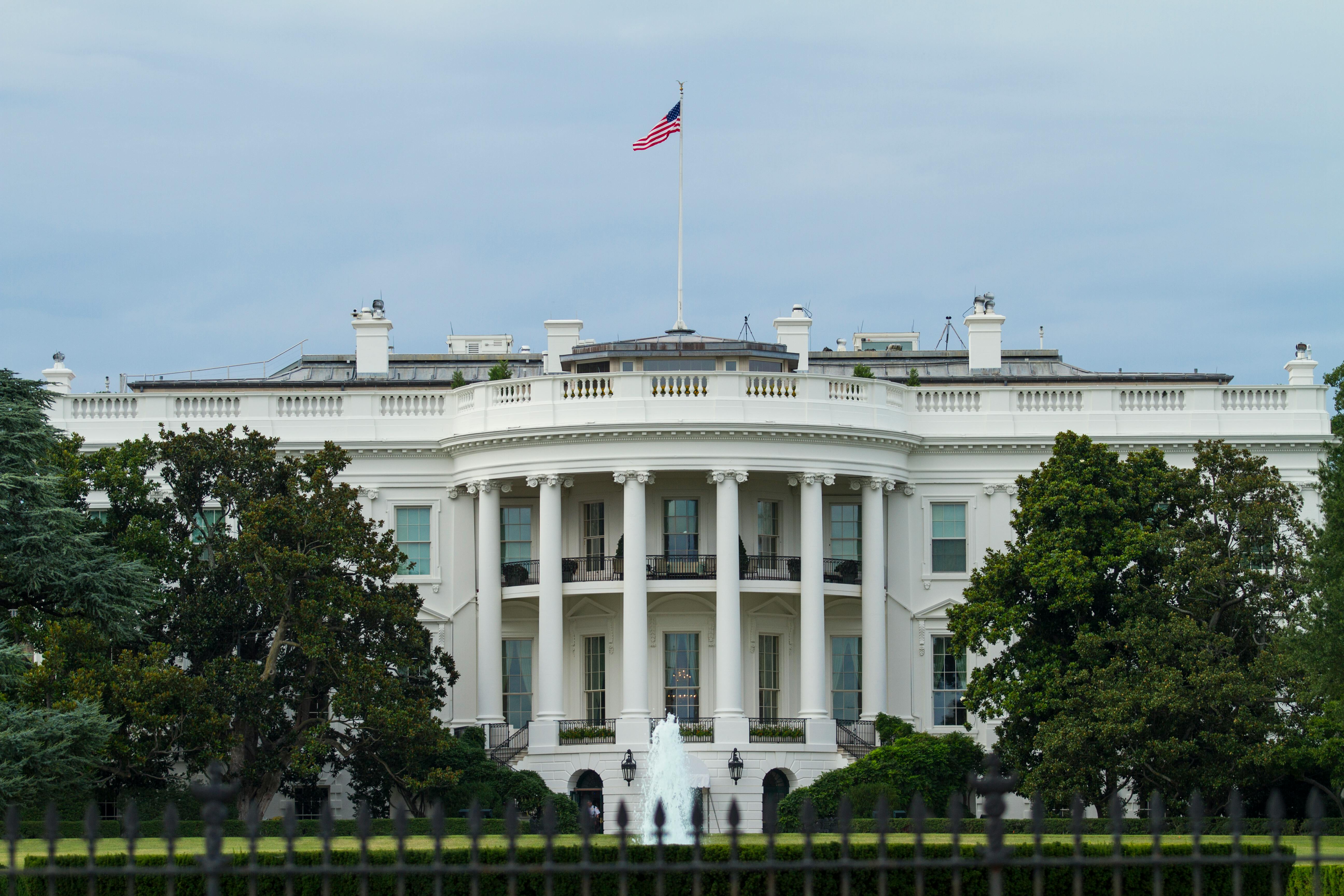
While the president was in court, another legal blow landed back at the White House. On Tuesday evening U.S. District Judge Richard Leon (a George W. Bush appointee) issued a preliminary injunction halting construction of Trump’s planned $400 million ballroom on the site of the demolished East Wing. Preservationists from the National Trust for Historic Preservation sued, arguing the president cannot unilaterally reshape a national historic landmark without congressional approval.
“Unless and until Congress blesses this project through statutory authorization, construction has to stop!” Leon wrote. The administration immediately appealed and Trump called the ruling “totally wrong,” pointing out that previous presidents made changes without fresh legislation. The judge paused enforcement for 14 days to allow the appeal.
The Strategic Playbook
Taken together, the three developments form a classic second-term Trump pattern: move fast, force the opposition to react, and keep the spotlight on issues that fired up his base. Election integrity remains a top priority after years of claims about 2020. Birthright citizenship strikes at the heart of the immigration debate he has owned since 2015. And the ballroom project — privately funded, he insists — is pure symbolism: reshaping the physical White House the way he wants to reshape Washington.
Legal experts say the voting order is almost certain to face immediate court challenges, just like the birthright order. The ballroom ruling is narrower but highlights how even Republican-appointed judges are drawing lines on executive power. Still, the blitz keeps Trump’s agenda front and centre heading into the 2026 midterms.
South African Echoes: Borders, IDs and Political Heat
For South Africans watching from afar, the drama feels strangely familiar. Trump’s push for stricter citizenship verification and limits on who can access mail ballots mirrors local debates over foreign nationals, voter rolls and identity documents. In recent years South Africa has seen repeated marches against undocumented immigration, with groups like Operation Dudula demanding tighter border controls and demanding that foreign nationals carry valid permits before accessing services.
Just as Trump is using federal databases to create “citizenship lists,” South African authorities have repeatedly floated national ID-linked voter registration and service delivery to clamp down on what some call “illegal foreigners.” The rhetoric is different — one side talks about protecting the republic form of government, the other about protecting scarce jobs and resources — but the underlying tension is the same: who belongs, who gets to vote or benefit, and how far the state should go to verify it.
There is an added layer. The Trump administration has made white South African (Afrikaner) farmers a priority for refugee status, citing farm murders and land expropriation without compensation. Pretoria has pushed back hard, calling the claims exaggerated and accusing Washington of meddling. The parallel is uncomfortable: while Trump tightens America’s doors, he is opening them selectively for a group that South Africa insists does not need special protection.
What It Means Beyond America’s Shores
The domestic focus is also sending signals abroad. With Trump consumed by court battles and election rules at home, there is less bandwidth for overseas crises. Analysts note the timing coincides with renewed talk of an “Iran exit” — pulling back from long-running Middle East commitments. A senior administration official was quoted saying the U.S. would disengage “pretty quickly” once certain conditions are met. For African governments that have grown used to Washington’s attention on trade, aid and security partnerships, the message is clear: America is looking inward first.
Florida Governor Ron DeSantis summed up the conservative view after today’s Supreme Court session: “If the Court doesn’t fix this, Congress needs to stop the madness.” On the other side, voting-rights advocates warn that the new order could suppress legitimate mail-in votes in time for the midterms. Public reaction on social media has been predictably polarised — some cheering “finally securing our elections,” others calling it “authoritarian overreach.”
Whatever the courts decide, Trump has once again changed the conversation. In two days he has reminded Washington — and the world — that his second term will be defined by the same combative style that defined the first: push hard, dare anyone to push back, and keep the country talking about the issues he chooses.
The Road Ahead
The Supreme Court arguments continue. Appeals on the ballroom injunction are already filed. Lawsuits against the voting executive order are being drafted in multiple states. For now the blitz has achieved its immediate goal — dominating headlines and forcing opponents to play defence. Whether it ultimately delivers the policy wins Trump wants will depend on the courts, Congress and the clock ticking toward November 2026.
From Gugulethu to Gauteng, South Africans know what happens when governments try to tighten borders and verification systems: the debate quickly becomes about more than paperwork. It becomes about identity, belonging and survival. Trump’s domestic offensive is a high-stakes version of the same conversation playing out in Pretoria, Johannesburg and Cape Town. The difference is the world’s most powerful office is the one doing the pushing — and the whole planet is watching.