A sudden pause in U.S. military strikes against Iran may signal a momentary shift toward de-escalation, but the global consequences of the confrontation are already unfolding. From surging oil prices to shaken financial markets and rising geopolitical risk, the ripple effects extend far beyond the battlefield.
The decision by U.S. President Donald Trump to pause military strikes against Iran has introduced a moment of uncertainty into an already volatile geopolitical landscape. While the move may suggest a temporary shift toward diplomacy, it does little to reverse the economic and strategic consequences already set in motion.
In modern conflicts, the effects are rarely confined to the battlefield. Markets react instantly, supply chains adjust preemptively, and political alliances recalibrate in real time. The U.S.–Iran confrontation is no exception — and the pause, rather than stabilizing the situation, has underscored how fragile global equilibrium has become.
Oil Markets React First — and Fastest
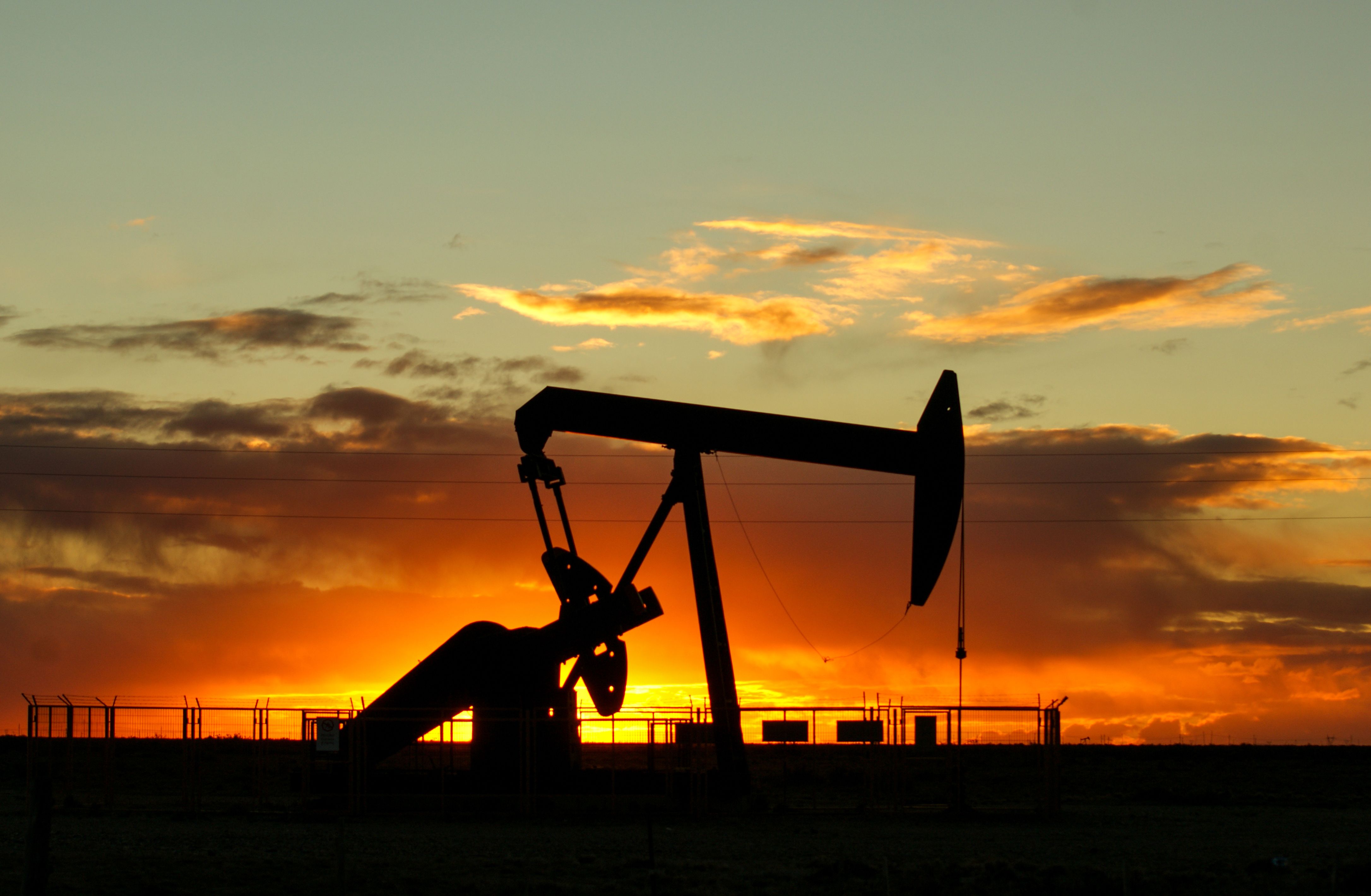
Energy markets have been the most immediate and sensitive barometer of the crisis. Even before the pause was announced, oil prices had begun climbing sharply, reflecting fears that the conflict could disrupt supply routes through critical chokepoints such as the Strait of Hormuz.
The pause in strikes has not reversed that trend. Instead, it has introduced a new layer of uncertainty. Traders are now pricing in not only the risk of escalation, but also the unpredictability of policy shifts — a combination that tends to sustain volatility rather than calm it.
For import-dependent economies, particularly in Africa and parts of Asia, higher oil prices translate quickly into inflationary pressure, currency strain, and rising fiscal costs. Energy shocks rarely remain isolated; they cascade through transportation, food prices, and industrial production.
Financial Markets Enter Risk-Off Mode
Global financial markets have responded with caution. Equity indices in major economies have shown signs of weakness, while investors shift capital toward traditional safe-haven assets such as gold and government bonds.
The underlying concern is not just the conflict itself, but the unpredictability surrounding it. A paused strike is not a resolved conflict — it is a suspended one. For investors, that distinction matters. Uncertainty tends to be priced more aggressively than bad news, because it limits the ability to forecast outcomes.
Emerging markets are particularly exposed. Countries with existing fiscal vulnerabilities or reliance on external capital flows may face heightened pressure as global risk appetite weakens.
Geopolitical Signaling and Strategic Ambiguity
From a strategic perspective, the pause introduces ambiguity. Is it a genuine opening for negotiation, or a tactical recalibration ahead of further escalation? Both Washington and Tehran are likely interpreting the move through different lenses.
For the United States, the pause may serve as leverage — a signal that military action remains an option, but not an inevitability. For Iran, it may reinforce a narrative that sustained resistance can alter the trajectory of U.S. decision-making.
This dynamic creates a delicate balance. Too much pressure risks escalation; too little risks emboldening the opposing side. The result is a strategic gray zone where miscalculation becomes more likely.
Global Supply Chains and Secondary Effects
Beyond oil, the conflict has broader implications for global trade and supply chains. Shipping routes through the Middle East remain critical for energy and goods flows between Asia, Europe, and beyond. Any perceived threat to these routes can trigger preemptive adjustments in logistics and insurance costs.
Insurance premiums for maritime transport have already begun to rise, reflecting increased risk in the region. These additional costs are often passed down the value chain, contributing to higher prices for goods globally.
In an already fragile global economy, such disruptions can compound existing pressures, from inflation to slower growth.
Diplomatic Window — Narrow but Significant
Despite the risks, the pause does create a potential opening for diplomacy. Historically, moments of de-escalation — even temporary ones — have provided space for back-channel negotiations and confidence-building measures.
However, the effectiveness of such efforts depends on credibility. If either side perceives the pause as purely tactical, rather than a genuine step toward dialogue, the window could close quickly.
The Economic Damage May Outlast the Conflict
Perhaps the most important takeaway is that economic consequences often outlast military actions. Even if tensions ease, elevated oil prices, disrupted trade patterns, and shaken investor confidence can persist for months — or longer.
For policymakers worldwide, this creates a secondary challenge: managing the economic fallout of a geopolitical event they do not control. Central banks may face renewed inflation pressures, while governments must balance fiscal stability against rising costs.
The pause in strikes may slow the immediate trajectory toward escalation, but it does not reset the system. The shock has already been absorbed — and its effects are now unfolding across markets, economies, and political systems.
In that sense, the real story is not the pause itself, but what it reveals: a global system where geopolitical risk transmits faster, hits harder, and lingers longer than ever before.