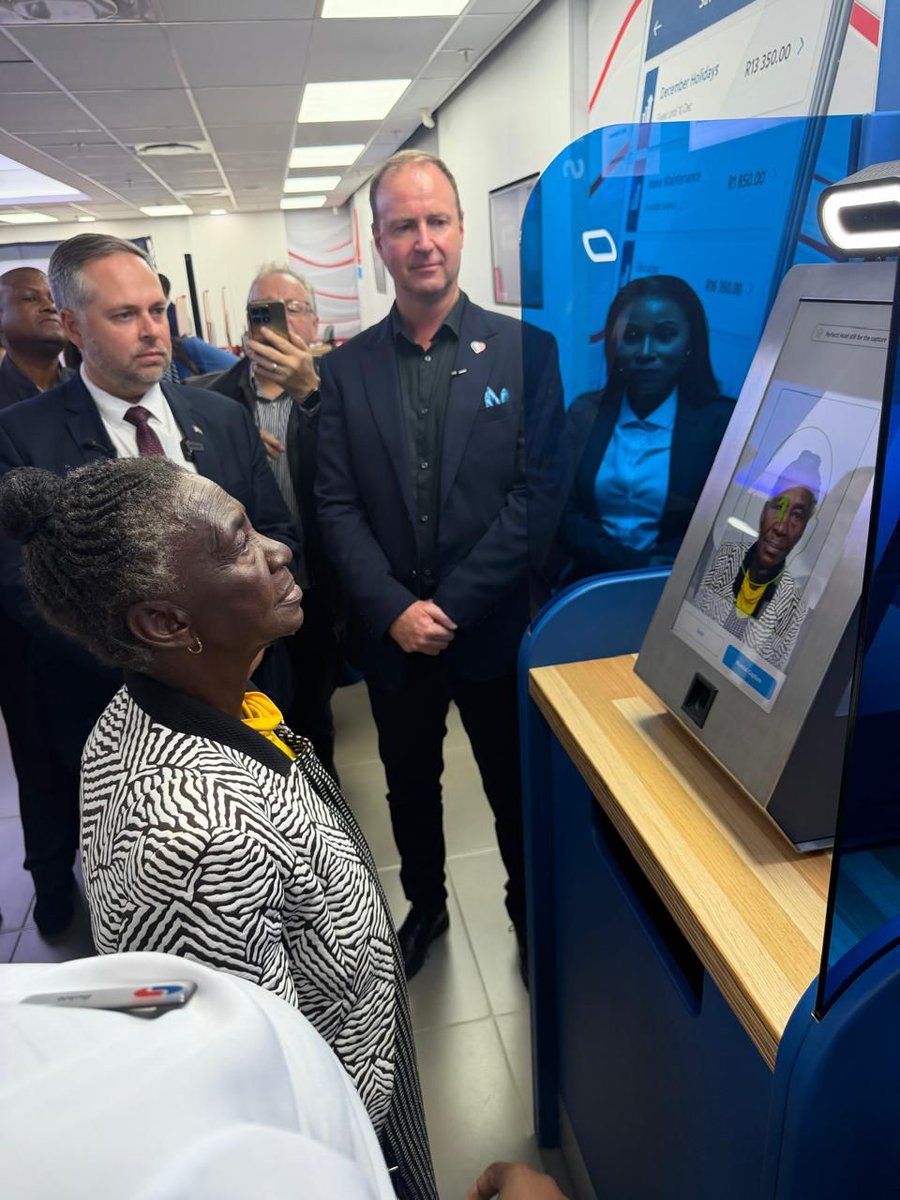
Home Affairs expands Smart ID services to bank branches, but public reactions reveal both optimism and anxiety over security, immigration enforcement, and the future role of the Post Office.
South Africa’s Department of Home Affairs has begun rolling out Smart ID service machines through a partnership with Capitec Bank, marking another step in the government’s effort to modernize identity services and reduce congestion at traditional Home Affairs offices. The machines allow citizens to apply for and process Smart ID cards inside participating bank branches, potentially offering a faster and more convenient alternative to long queues at government facilities.
The rollout is currently limited to a pilot phase operating in around 13 Capitec branches across the country. Officials say the early deployment is intended to test the technology and service model before expanding the system nationwide. If the program proves successful, Smart ID services could eventually become available in many more bank branches, significantly increasing the number of locations where citizens can access government identity services.
Government’s Long-Term Digital Identity Plan
The partnership between the Department of Home Affairs and banks has been discussed for several years as part of a broader strategy to digitize public services. Authorities have long argued that working with financial institutions could help bring government services closer to citizens because banks already operate secure infrastructure, biometric verification systems, and widespread branch networks.
Previous phases of this collaboration allowed certain banking customers to apply for Smart ID cards and passports online and then complete biometric verification at participating bank branches. The introduction of dedicated Smart ID machines represents a new stage in that modernization effort, allowing more steps of the process to be completed directly at the bank.
How South Africans Traditionally Obtained Smart ID Cards
For most South Africans, obtaining a Smart ID card historically meant visiting a Department of Home Affairs office. Applicants would typically join long queues to submit documents, capture fingerprints, and take their ID photograph before waiting several weeks for the card to be processed.
To improve access in rural and underserved areas, the department also introduced mobile service units over the years. Special Home Affairs trucks were often deployed to schools and community centers, helping learners obtain their first identity documents without traveling to distant government offices. These mobile outreach programs played an important role in expanding access to Smart IDs, particularly for young citizens.
Despite these initiatives, many Home Affairs offices continued to face overwhelming demand. Long waiting times became a common complaint, particularly in major cities where population growth placed additional pressure on government services.
Mixed Public Reactions to the Capitec Rollout
While some citizens welcome the idea of obtaining identity documents at nearby bank branches, others have raised concerns about the implications of allowing private institutions to host government identification services. The debate has been especially visible on social media platforms where South Africans have been sharing videos, commentary, and opinions about the new machines.
Supporters of the initiative argue that the partnership could dramatically reduce waiting times and improve service delivery. Banks generally have more modern facilities, organized appointment systems, and better infrastructure than many government offices.
However, critics have expressed concern about issues related to identity fraud and immigration enforcement. Some citizens worry that expanding Smart ID services beyond Home Affairs offices could create opportunities for misuse if strict verification procedures are not maintained.
Videos Circulating Online Show Public Reactions
Several videos currently circulating online show demonstrations and discussions about the new Smart ID machines, reflecting both curiosity and skepticism among members of the public.
Balancing Convenience With Security
Identity documents are among the most sensitive records issued by any government, making security a central concern whenever new systems are introduced. South Africa’s Smart ID cards rely on biometric data including fingerprints and facial recognition, which officials say helps prevent fraudulent applications.
Government authorities have emphasized that even when services are hosted at banks, the verification process still connects directly to the Department of Home Affairs’ national identity database. This means applications remain subject to the same biometric verification and background checks used in government offices.
Nevertheless, public trust remains a critical factor in the success of the rollout. Many citizens continue to associate identity services with traditional Home Affairs offices or even the South African Post Office, which historically handled certain document services.
The Future of Identity Services in South Africa
If the Capitec pilot program proves successful, officials have suggested that Smart ID services could eventually expand to additional bank networks across the country. Such expansion would significantly increase the number of service points where citizens can process identity documents.
For South Africans who have spent hours waiting in Home Affairs queues, the idea of completing the process at a nearby bank branch represents a major shift in how public services are delivered. At the same time, ongoing public debate shows that modernization efforts must also address concerns about transparency, security, and fairness in the national identity system.
As the rollout continues, policymakers will likely face the challenge of balancing efficiency with public confidence in one of the country’s most important administrative systems.