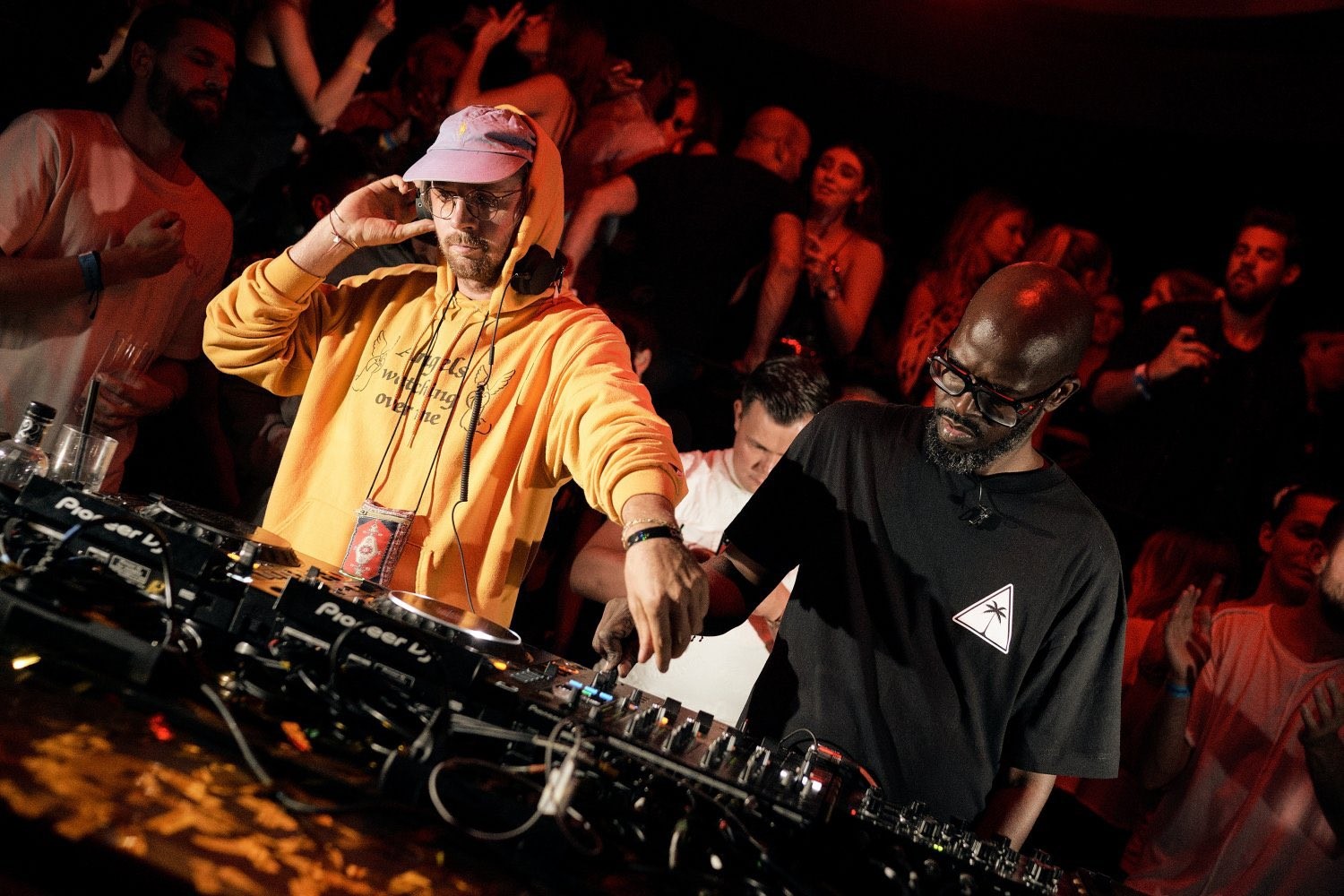
South African DJ and producer Black Coffee has once again been ranked among the world’s highest-paid DJs according to a major 2026 industry report, cementing his place as one of Africa’s most commercially successful musical exports.
Black Coffee, born Nkosinathi Innocent Maphumulo in Durban in 1976, has emerged as one of the most commercially successful African artists in the global electronic music scene. According to a newly released 2026 industry report tracking DJ booking fees, festival payouts and touring revenue, the Grammy-winning producer ranks among the world’s highest-paid DJs, commanding between $400,000 and $500,000 (approximately R7 million to R9 million) per high-profile set.
This achievement places him alongside established international heavyweights while highlighting a significant shift: African artists are no longer just participating in the global music economy — they are shaping and profiting from it at the highest levels.
From Umlazi to Global Stages
Black Coffee’s journey began in the townships of KwaZulu-Natal. Growing up in Umlazi, he was deeply influenced by the underground house music scene that flourished in post-apartheid South Africa. What started as a passion project in small clubs evolved into a professional career that would eventually take him to the world’s biggest stages.
His unique sound — a sophisticated fusion of deep house, African rhythms, soulful vocals and electronic elements — set him apart early on. Unlike many who chased Western trends, Black Coffee stayed rooted in his cultural identity, creating music that felt authentically South African yet universally appealing.
The Grammy Breakthrough and Its Impact
The turning point came in 2022 when Black Coffee won the Grammy Award for Best Dance/Electronic Album with Subconsciously. He became the first African artist to win in that category, instantly elevating his international profile and booking value.
That victory opened doors to residencies in Ibiza, headline slots at major festivals like Tomorrowland, Ultra Music Festival and EDC, as well as high-paying private events in the Middle East and North America. Industry insiders say the Grammy win added millions to his annual earnings and solidified his position as a premium act.
The Business of Being Black Coffee
Beyond live performances, Black Coffee has built a diversified empire. He runs his own record label, invests in artist development, and maintains strategic brand partnerships. His business approach — treating music as both art and enterprise — has become a model for aspiring African musicians.
At 50 years old, he remains highly active. With new music scheduled for release later in 2026 and continued strong demand for his live shows, his position among the world’s top-earning DJs looks secure for the foreseeable future.
Challenges Faced by African Artists
Despite the success, Black Coffee has been candid about the obstacles African artists still face. High travel costs, complicated visa processes, and unconscious bias in the industry remain daily realities. Even at his level, he has had to work harder to prove his worth compared to European and American counterparts.
“You have to be twice as good and work twice as hard,” he has said in previous interviews. His persistence in the face of these barriers makes his commercial achievements even more remarkable.
A Symbol of African Excellence
Music executives and cultural commentators agree that Black Coffee’s sustained success represents something bigger than one man’s career. He has become a beacon for a new generation of African electronic musicians who now see a clear path to international recognition and financial independence.
“Black Coffee proved that you don’t have to abandon your roots to succeed globally,” a Johannesburg-based music executive told News Afrika. “He stayed authentic, and the world came to him.”
His influence extends beyond the dancefloor. Through collaborations with international stars and his commitment to uplifting emerging African talent, he continues to expand the footprint of Afro-house and Amapiano on the global stage.
What Lies Ahead
As the electronic music industry evolves with new technologies, streaming models and festival formats, Black Coffee remains ahead of the curve. With Africa’s youth population exploding and its cultural influence growing, artists like him are perfectly positioned to dominate the next decade of global dance music.
For Black Coffee himself, the mission remains the same: create great music, represent South Africa and Africa with pride, and keep pushing boundaries. At a time when the continent’s creative industries are gaining unprecedented attention, his story serves as both inspiration and proof that African excellence belongs at the very top.