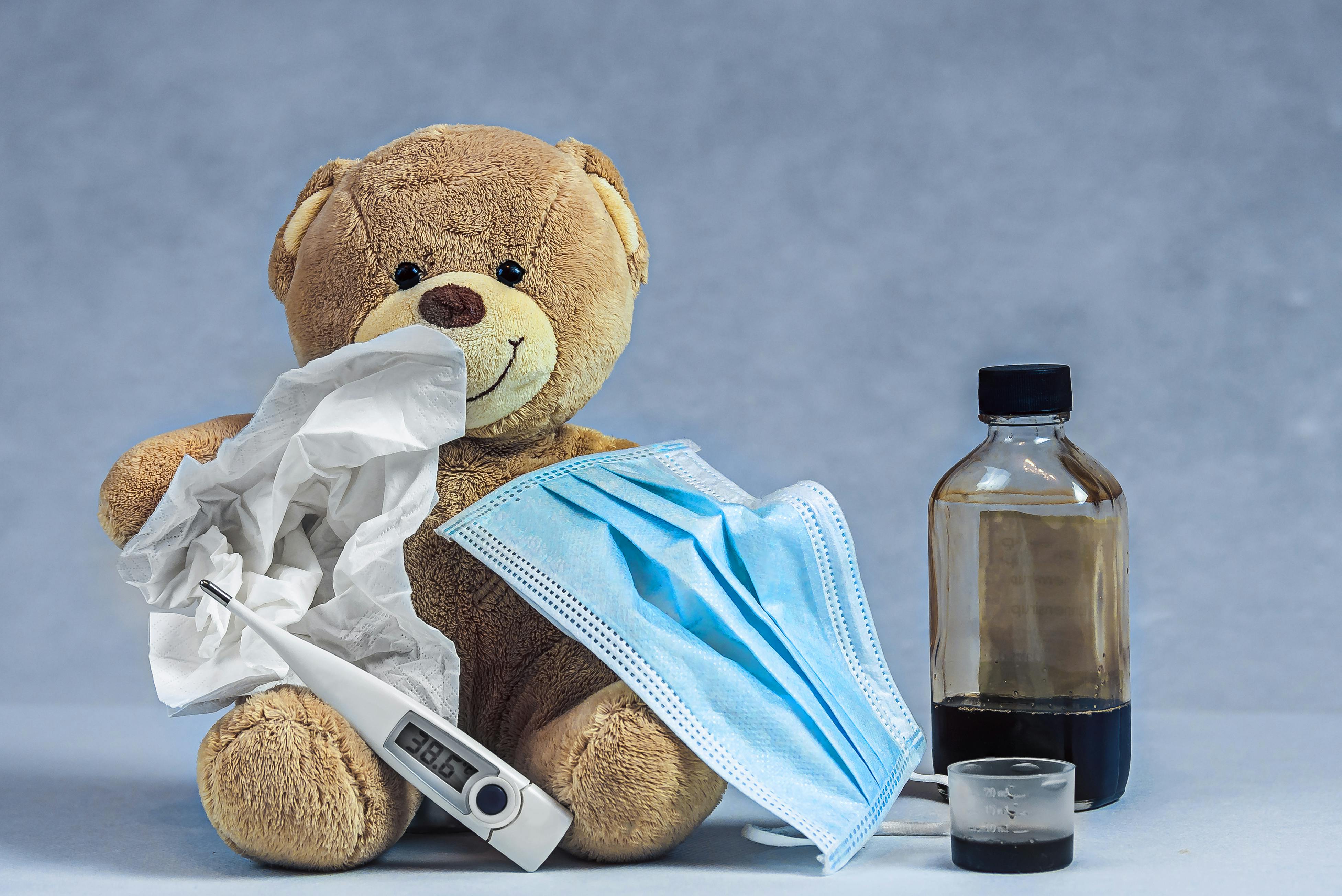
For many African families, the arrival of colder weather brings more than just heavier blankets and hot tea — it also brings the familiar wave of coughs, blocked noses, and stubborn flu that seems to knock entire households off their feet.
I still remember my grandmother in Limpopo wrapping us in thick blankets and forcing us to drink warm ginger tea with honey the moment the temperature dropped. “Winter doesn’t forgive the careless,” she would say. Years later, I realise how right she was.
As we head into the heart of the 2026 winter season, countries across southern Africa — South Africa, Lesotho, Eswatini, Botswana, Namibia, and parts of Zimbabwe and Zambia — are already feeling the chill. Nights are getting colder, days are shorter, and health clinics are bracing for the usual surge in respiratory infections.
Why Winter Hits Harder in Africa
Even though we don’t get snow like Europe, our winters still create perfect conditions for viruses. Dry air makes it easier for flu and cold viruses to spread. People spend more time indoors with windows closed, increasing close contact. Children return to school, and germs travel fast.
A doctor at Chris Hani Baragwanath Hospital in Soweto told me last week: “Every June we see a clear spike. By mid-July, our paediatric wards are usually full. It’s the same story every year.”
Practical Ways to Protect Yourself and Your Family
The good news? You don’t need expensive supplements or medicines to stay healthy. Most protection comes from simple, consistent habits.
1. Keep the air moist — Dry winter air is brutal on your nose and throat. Use a humidifier if you have one, or simply place bowls of water near heaters. Hanging wet towels in the room works too.
2. Warm drinks are your best friends — Mama Sarah from Gqeberha swears by her daily mixture: “I boil fresh ginger, lemon, turmeric and a spoon of honey. The whole family drinks it every morning. My grandchildren hardly get sick anymore.”
3. Layer up properly — This sounds basic, but many people still catch chills because they dress for the daytime temperature and forget how cold it gets at night. Always have an extra layer ready.
4. Wash hands like your life depends on it — Flu viruses can survive on surfaces for hours. Teach kids to wash hands properly before eating and after coming home from school.
5. Eat foods that actually support your immune system — Think oranges, naartjies, guavas, spinach, garlic, onions and yoghurt. Local and seasonal is best.
A nutritionist in Cape Town shared with me: “People run to pharmacies for Vitamin C tablets, but one fresh orange gives you more natural Vitamin C than most supplements — and your body absorbs it better.”
Special Care for the Most Vulnerable
Grandparents and small children need extra attention. Older people often feel the cold more deeply and their immune systems are weaker. Make sure they have warm bedding and are not sitting in draughts.
For babies and toddlers, avoid taking them out during the coldest hours (early morning and late evening). If someone in the house is sick, try to keep them in a separate room as much as possible.
When Should You See a Doctor?
Not every cough needs a hospital visit, but don’t play hero either. Go to the clinic if you have difficulty breathing, high fever that won’t come down, chest pain, or if symptoms last longer than a week.
This year, health authorities are also watching for any overlap with other respiratory viruses. Early treatment makes a big difference.
The Human Side of Winter
Winter isn’t just about avoiding sickness. It’s also about slowing down a little. Use the colder months to cook warm meals together, check on elderly neighbours, and make sure the most vulnerable in your community are okay.
A grandmother in Johannesburg put it beautifully: “We can’t stop the cold from coming, but we can make sure it doesn’t catch us unprepared. A warm heart and warm body go together.”
Stay warm, stay safe, and look out for one another this winter. The season will pass — but how we go through it is up to us.