South Africa has seen a notable increase in malaria cases in early 2026, driven by unusually heavy rainfall and flooding across southern Africa that has created ideal breeding conditions for malaria-carrying mosquitoes.
Malaria cases have increased across parts of southern Africa following heavy rainfall and flooding, creating more favourable conditions for mosquito breeding and malaria transmission. In South Africa, this seasonal rise has led to a noticeable increase in cases, including in provinces where malaria is not normally transmitted.
In the first three months of 2026, Gauteng alone recorded 414 confirmed malaria cases and 11 deaths. While these figures are concerning, the majority of cases are imported — meaning the infections were acquired in malaria-endemic provinces such as Limpopo, Mpumalanga and KwaZulu-Natal, or during international travel, and only diagnosed after individuals returned to Gauteng.
Where Malaria Occurs in South Africa
Malaria transmission in South Africa is mainly confined to the low-altitude areas of KwaZulu-Natal, Limpopo and Mpumalanga. Provinces such as Gauteng are not considered malaria-endemic, and people infected with malaria cannot transmit the disease to others in areas where malaria-transmitting mosquitoes do not occur.
What is Malaria?
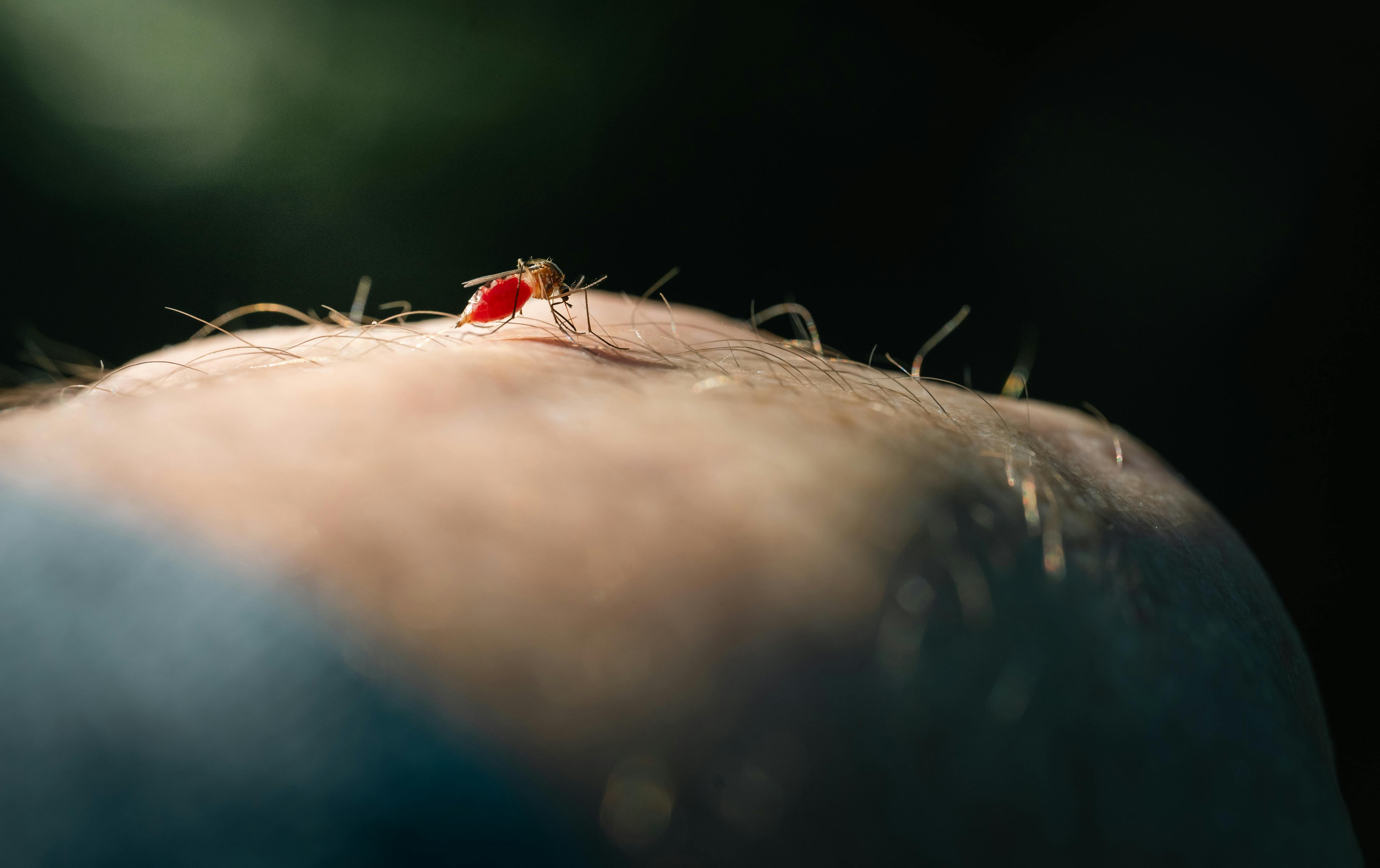
Malaria is a potentially life-threatening disease caused by blood parasites of the genus Plasmodium, transmitted via the bites of infected mosquitoes. In the human body, the parasites first multiply in the liver and then infect red blood cells. Malaria is both preventable and curable, but it can progress rapidly to severe illness and death if diagnosis and treatment are delayed.
How to Prevent Malaria
Travellers to malaria-endemic areas should take preventive measures seriously, including the use of appropriate malaria chemoprophylaxis. Doxycycline is one of the antimalarial agents recommended in South Africa for malaria prevention and is now available without a prescription for individuals aged 8 years and older travelling to endemic areas.
Anyone who develops flu-like symptoms such as fever, chills, headache, body aches or fatigue after recent travel to a malaria-endemic area — whether within South Africa or elsewhere in Africa — should seek medical attention immediately and request a malaria test. Early diagnosis and prompt treatment save lives.
What Happens Next
Health authorities are urging heightened awareness and prompt action, especially during and after the rainy season. Increased malaria prevention and control measures are critical to reducing the burden, particularly as climate patterns continue to create favourable conditions for mosquito breeding.
The National Department of Health continues to work towards malaria elimination, but challenges such as importation of cases, insecticide resistance and health system pressures remain significant obstacles.