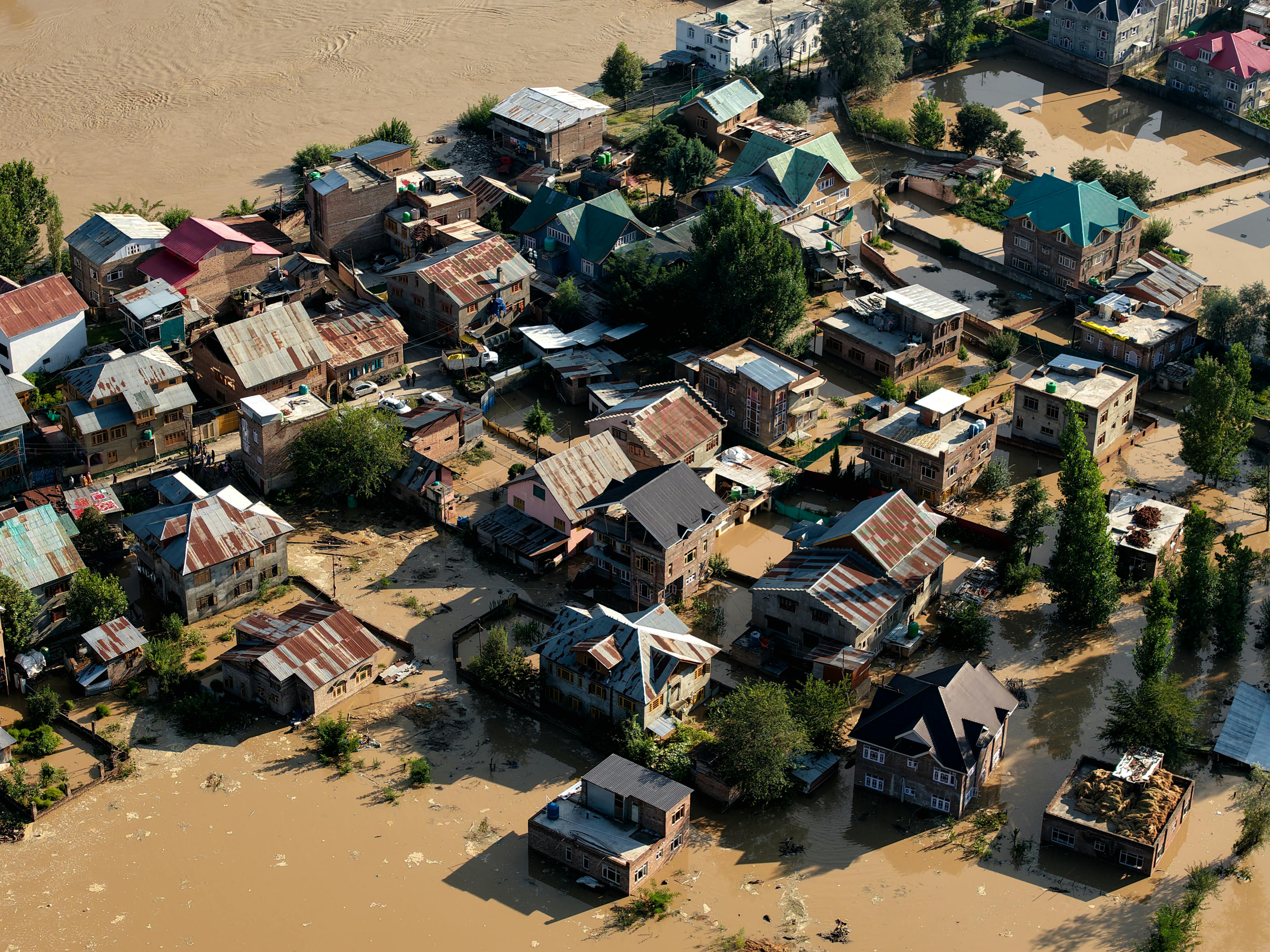
Floods are no longer just environmental disasters — they are rapidly becoming major public health emergencies. Across Africa and beyond, rising flood events are increasing the risk of disease outbreaks, disrupting healthcare systems and exposing vulnerable populations to long-term health consequences.
Floods are increasingly being recognised as more than environmental events — they are public health crises with immediate and long-term consequences. As climate patterns shift, extreme rainfall and flooding are becoming more frequent, placing millions at risk across Africa.
Beyond the visible destruction of homes and infrastructure, floods create conditions that allow diseases to spread rapidly. Contaminated water, overcrowded shelters and limited access to healthcare all combine to turn natural disasters into health emergencies.
How Floods Trigger Disease Outbreaks
Floodwaters often contaminate drinking supplies with sewage, waste and harmful bacteria. This significantly increases the risk of waterborne diseases such as cholera, typhoid and diarrheal infections, particularly in areas with limited sanitation infrastructure.
Standing water also creates breeding grounds for disease-carrying mosquitoes, raising the risk of malaria and other vector-borne illnesses. In many cases, outbreaks occur days or weeks after the initial flooding, making them harder to contain.
These overlapping risks mean that floods can trigger multiple health crises at once.
Healthcare Systems Under Pressure
Flooding can damage hospitals, clinics and supply chains, reducing the ability of health systems to respond when they are needed most. Roads become impassable, medical supplies are delayed and healthcare workers struggle to reach affected communities.
In rural or under-resourced areas, even a temporary disruption can have severe consequences. Patients with chronic conditions may miss treatment, while emergency care becomes difficult to access.
This creates a dangerous gap between rising health needs and declining response capacity.
Why Vulnerable Communities Are Hit Hardest
The impact of floods is not evenly distributed. Informal settlements, low-income communities and rural areas are often the most exposed due to weaker infrastructure and limited access to clean water and sanitation.
Displacement also increases risk. Families forced into temporary shelters may face overcrowding, poor hygiene conditions and limited healthcare access — all of which contribute to the spread of disease.
For many, the health effects of floods continue long after the water has receded.
Climate Change Is Making It Worse
Climate change is intensifying rainfall patterns and increasing the frequency of extreme weather events. This means floods are happening more often and with greater severity, amplifying their health impact.
Urbanisation is also playing a role. Rapid city growth without adequate drainage systems increases flood risk, particularly in densely populated areas where health systems are already under strain.
The combination of climate pressure and infrastructure gaps is creating a cycle of recurring health emergencies.
What Needs to Change
Addressing flood-related health risks requires more than emergency response. Governments and institutions need to invest in resilient infrastructure, early warning systems and stronger public health planning.
Improving access to clean water, sanitation and healthcare is critical, particularly in high-risk areas. Preventative measures can significantly reduce the impact of floods before they escalate into full-scale health crises.
At the same time, climate adaptation strategies must be integrated into health planning to prepare for future risks.
A Growing Public Health Challenge
Floods are no longer isolated disasters — they are part of a broader pattern of climate-related health threats. As the frequency of these events increases, so does the need for coordinated, long-term responses.
Understanding floods as a health issue, not just an environmental one, is key to reducing their impact. Without that shift, communities will continue to face repeated cycles of crisis and recovery.