Across Africa and beyond, cities are expanding at unprecedented speed. While urban growth brings economic opportunity, infrastructure development and modernisation, it also carries hidden environmental costs that are often overlooked in the race to build. The challenge now is not just growth — but sustainable growth.
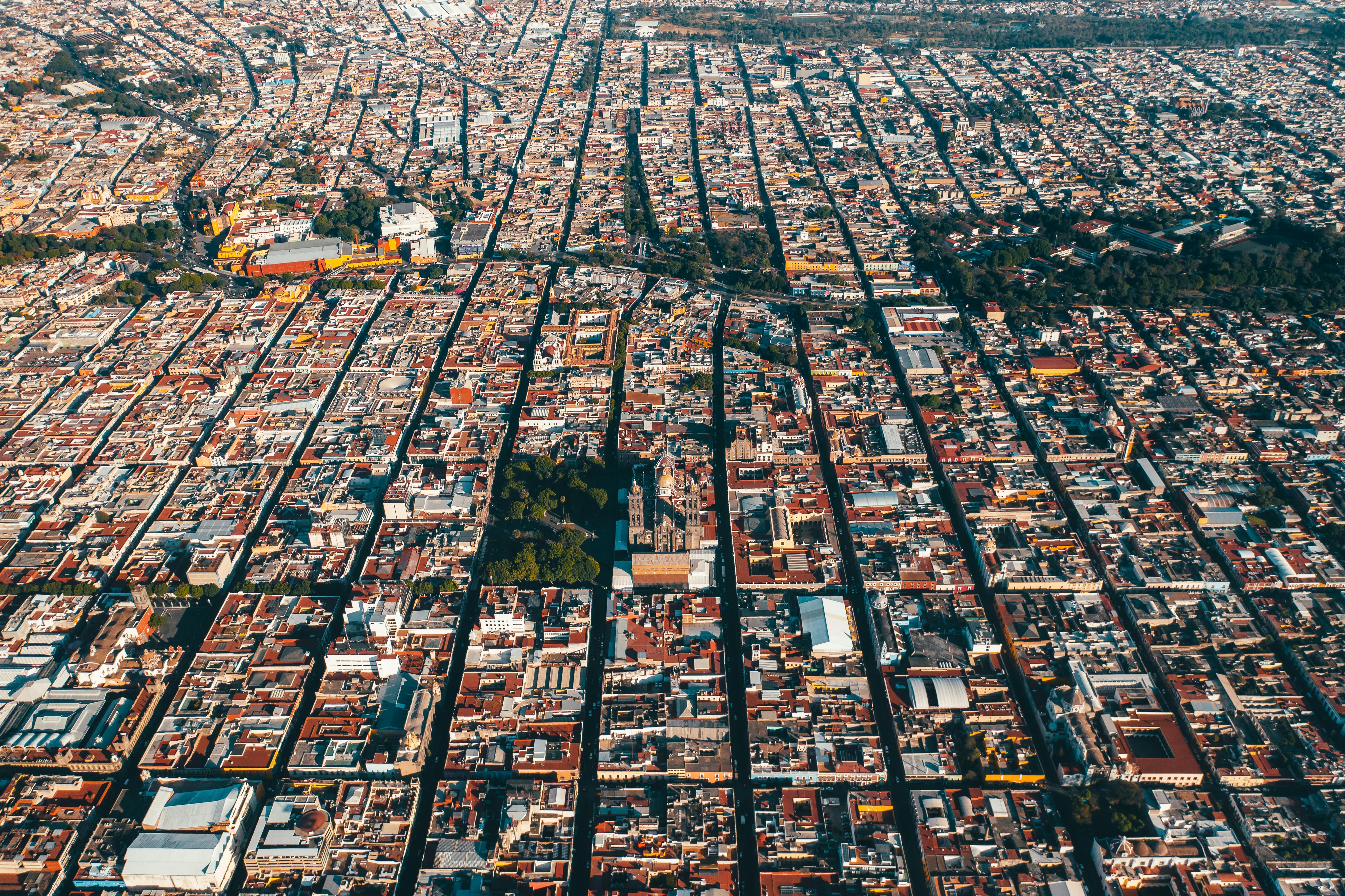
Urban expansion is one of the most visible signs of progress. Skylines rise, roads stretch further and new developments signal economic movement. But beneath this growth lies a quieter, more complex reality — one where environmental trade-offs are often made without full consideration of their long-term impact.
In many African cities, rapid population growth is driving demand for housing, transport and services. Governments and developers are under pressure to respond quickly, often prioritising speed and scale over sustainability.
The Cost of Expanding Cities
One of the most immediate consequences of urban expansion is the loss of natural land. Forests, wetlands and open spaces are cleared to make way for residential areas, commercial zones and infrastructure. These ecosystems play a critical role in regulating climate, managing water and supporting biodiversity.
As these natural systems are removed, cities become more vulnerable to environmental risks such as flooding, heatwaves and air pollution. The long-term cost of replacing these natural protections often outweighs the short-term benefits of rapid development.
Infrastructure vs Sustainability
Infrastructure is essential for urban growth, but the way it is designed and implemented matters. High-density developments, inefficient transport systems and poor waste management can all increase environmental strain.
In many cases, sustainability is treated as an afterthought rather than a foundation. This results in cities that are functional in the short term but difficult to maintain in the long term.
The challenge is not to stop development, but to rethink how it happens.
Why Green Spaces Matter
Green spaces are often the first to be sacrificed during expansion, yet they are among the most valuable urban assets. Parks, trees and open areas help reduce heat, improve air quality and enhance overall well-being.
Without them, cities can become hotter, more polluted and less livable. This has direct consequences for public health, especially in densely populated areas.
The African Urbanisation Challenge
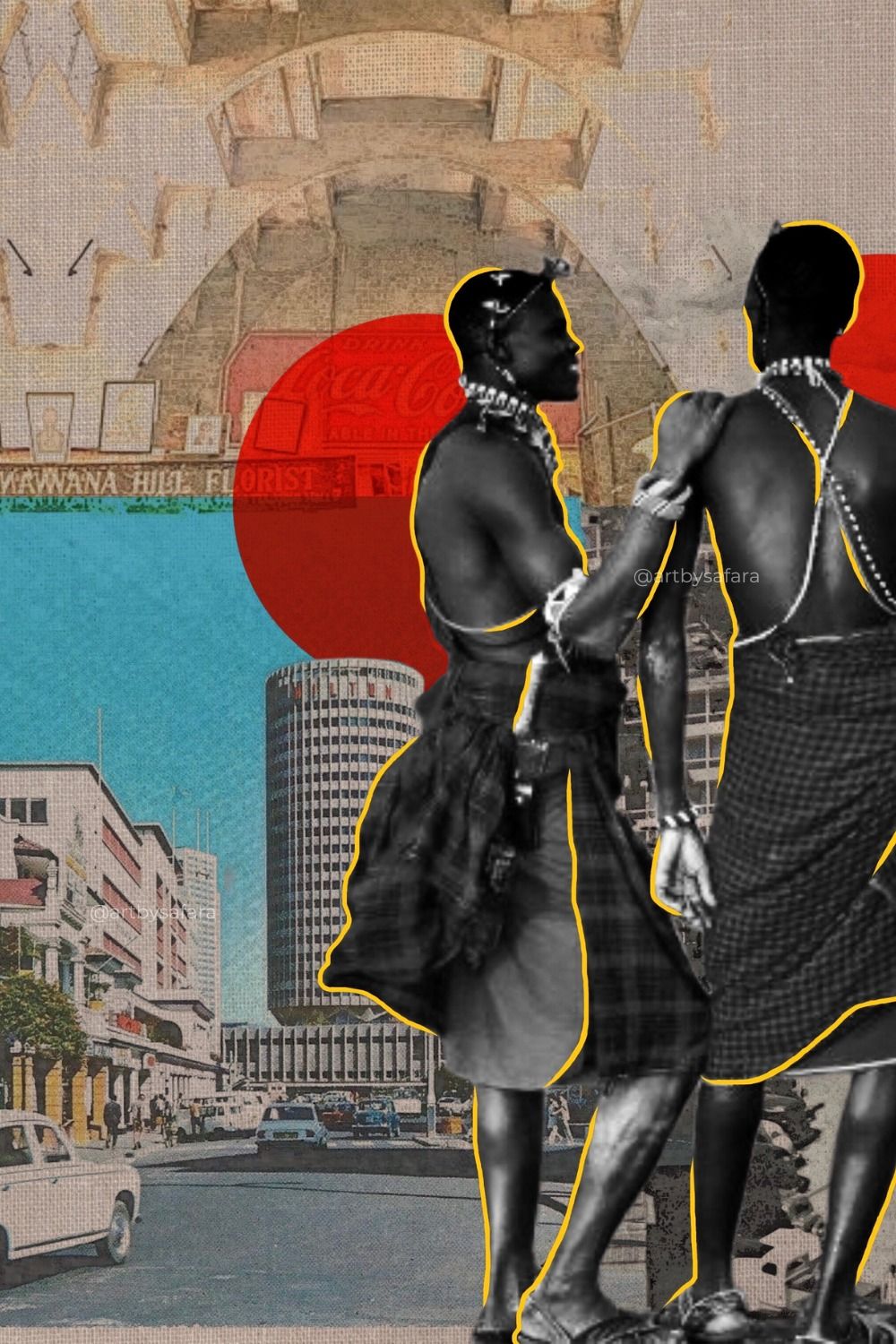
Africa is urbanising faster than any other region in the world. Cities like Lagos, Nairobi and Johannesburg are expanding rapidly, creating both opportunity and pressure.
This growth presents a unique challenge: how to build cities that are both economically dynamic and environmentally sustainable. Without careful planning, urban expansion could deepen existing inequalities and environmental stress.
However, it also presents an opportunity to design cities differently — to integrate sustainability from the start rather than retrofitting it later.
Rethinking the Future of Cities
The future of urban development will depend on how well cities balance growth with environmental responsibility. This includes investing in renewable energy, improving public transport, protecting natural ecosystems and adopting smarter planning strategies.
Sustainable cities are not just better for the environment — they are more resilient, more efficient and more livable. The choices made today will shape how future generations experience urban life.
Urban expansion is inevitable. The real question is whether it will come at the cost of the environment — or in partnership with it.